What should I know about communicating with locals in Mallorca to avoid misunderstandings?
Similar Topics
mallorca communication
mallorca social cues
mallorca local customs
palma greetings
mallorca politeness
mallorca humor
mallorca body language
mallorca conversation
In towns like Palma and Valldemossa, engaging with locals often means tuning into subtle social cues. Mallorcans typically appreciate politeness and a respectful approach, so greeting with a "Bon dia" or "Bona tarda" immediately sets a positive tone. Eye contact tends to be warm but respectful, and gestures are usually reserved; animated hand-waving can sometimes seem overly dramatic here. Paying attention to body language, such as nodding or a slight smile, is helpful in showing attentiveness without overwhelming the conversation.
Formality can vary depending on the setting. In more traditional areas, like Pollenca or Manacor, it’s customary to use titles such as "Señor" or "Señora" when addressing someone older or in a professional context, while younger generations and casual encounters often welcome first names. Conversations tend to be more indirect than in some Northern European cultures—expressing opinions diplomatically and reading between the lines will help you grasp the full meaning.
Humor here is generally light and often revolves around daily life or local idiosyncrasies. It’s best to avoid overly sarcastic or self-deprecating jokes until you’re familiar with the person, as humor styles vary between locals. When chatting in markets or over a glass of Binissalem wine, small talk about family or the latest festivities like Nit de Foc is usually safe and even welcomed once rapport is established. Approaching conversations with patience and genuine interest in their culture fosters great connections on the island.
Formality can vary depending on the setting. In more traditional areas, like Pollenca or Manacor, it’s customary to use titles such as "Señor" or "Señora" when addressing someone older or in a professional context, while younger generations and casual encounters often welcome first names. Conversations tend to be more indirect than in some Northern European cultures—expressing opinions diplomatically and reading between the lines will help you grasp the full meaning.
Humor here is generally light and often revolves around daily life or local idiosyncrasies. It’s best to avoid overly sarcastic or self-deprecating jokes until you’re familiar with the person, as humor styles vary between locals. When chatting in markets or over a glass of Binissalem wine, small talk about family or the latest festivities like Nit de Foc is usually safe and even welcomed once rapport is established. Approaching conversations with patience and genuine interest in their culture fosters great connections on the island.
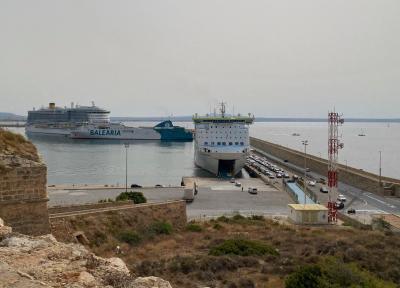
ses Illetes
More Fotos