How do Mallorcan traditions shape the celebrations around the island's historic monuments?
Similar Topics
mallorca traditions
historic monuments
festa de l'ametler
sant sebastia festival
serra de tramuntana
pollenca celebrations
palma events
mallorcan culture
The experience of historic monuments here is deeply colored by local customs and traditional festivities, which vary notably depending on whether you're exploring Palma's vibrant cityscape or the tranquil villages nestled in the Serra de Tramuntana. In towns like Pollença and Alcúdia, ancient monuments often become focal points for lively festivals where age-old rituals intertwine with communal pride. During events like the Festa de l'Ametler, the almond blossom festival, you might find processions and ceremonies that bring these monuments alive with music, dance, and shared stories of Mallorcan identity.
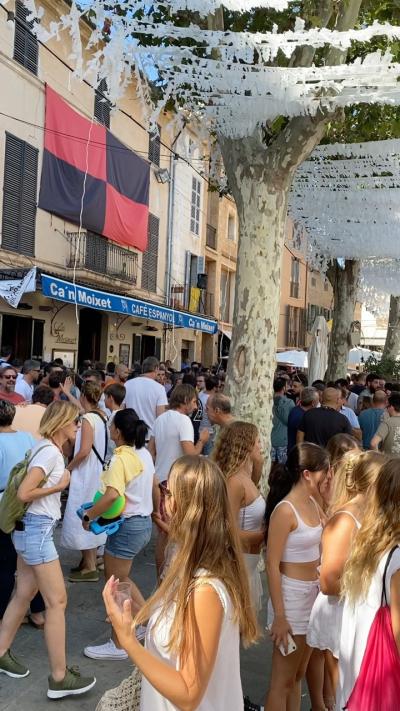
Such celebrations are rarely just about the monuments as static relics; instead, they are part of an annual calendar deeply tied to the island's culture. For example, the Sant Sebastià festival in Palma features spirited parades and traditional dances around historic squares, blending solemn remembrance with exuberant street parties. These rituals foster a palpable sense of belonging among locals and visitors alike, as they often conclude with offerings or rituals near monuments, bridging past and present.
Visitors who time their journeys to coincide with such occasions gain insight not only into the architectural significance but also into the emotional and cultural resonance these sites hold. It’s common to witness stories shared orally, local music performed live, and sometimes even tastings of regional specialties like pa amb oli or sips of Hierbas, all set against the backdrop of celebrated landmarks. This dynamic interplay between monument and tradition turns each celebration into a living narrative of the island’s enduring heritage.
Such celebrations are rarely just about the monuments as static relics; instead, they are part of an annual calendar deeply tied to the island's culture. For example, the Sant Sebastià festival in Palma features spirited parades and traditional dances around historic squares, blending solemn remembrance with exuberant street parties. These rituals foster a palpable sense of belonging among locals and visitors alike, as they often conclude with offerings or rituals near monuments, bridging past and present.
Visitors who time their journeys to coincide with such occasions gain insight not only into the architectural significance but also into the emotional and cultural resonance these sites hold. It’s common to witness stories shared orally, local music performed live, and sometimes even tastings of regional specialties like pa amb oli or sips of Hierbas, all set against the backdrop of celebrated landmarks. This dynamic interplay between monument and tradition turns each celebration into a living narrative of the island’s enduring heritage.

Cala Figuera
More Fotos