How has Mallorca's history shaped its traditional cuisine?
Similar Topics
mallorca cuisine
sobrassada
pa amb oli
tumbet
binissalem wine
serra de tramuntana
traditional recipes
local ingredients
Recent years have seen a renewed appreciation for Mallorca’s culinary heritage, highlighting flavors deeply rooted in the island’s complex history. Influences stretch back to Roman times, through Moorish rule and Catalan settlement, each leaving distinctive traces in local recipes. Dishes like tumbet—a layered vegetable bake—blend Mediterranean staples with Moorish spices, while sobrassada, the cured pork sausage, reflects island butchery traditions shaped by centuries of rural life.
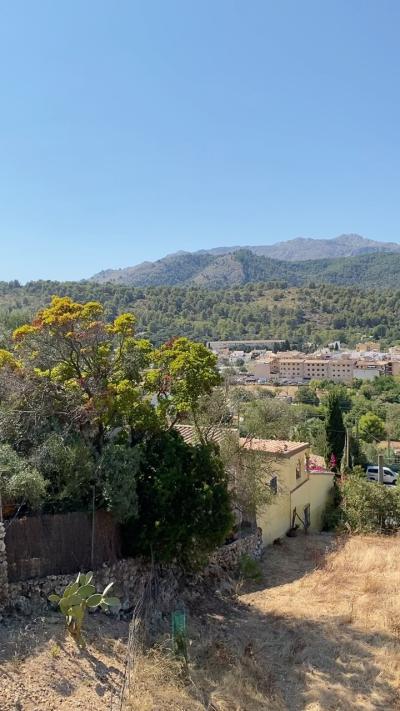
The island's terrain and climate have also shaped its food culture, with mountain villages such as Valldemossa, Deià, and Soller using home-grown ingredients and simple preservation methods. Olive oil, almonds, and Mallorcan bread form the basis of staples like pa amb oli, a humble yet iconic dish. Through periods of scarcity or war, locals learned to maximize seasonal produce, ensuring hearty and nourishing meals survived as community traditions.
At festive moments like Sant Sebastià in Palma or the Festa de l’Ametler in the Serra de Tramuntana, you can taste ancient recipes served alongside new creations, all tied to the island’s agricultural cycle. Local wines from Binissalem and herbal liqueurs including Hierbas and Palo accompany meals, underscoring the way history infuses every bite and sip here. Exploring the food provides a sensory window into Mallorca’s layered past where each dish remains a living piece of tradition.
The island's terrain and climate have also shaped its food culture, with mountain villages such as Valldemossa, Deià, and Soller using home-grown ingredients and simple preservation methods. Olive oil, almonds, and Mallorcan bread form the basis of staples like pa amb oli, a humble yet iconic dish. Through periods of scarcity or war, locals learned to maximize seasonal produce, ensuring hearty and nourishing meals survived as community traditions.
At festive moments like Sant Sebastià in Palma or the Festa de l’Ametler in the Serra de Tramuntana, you can taste ancient recipes served alongside new creations, all tied to the island’s agricultural cycle. Local wines from Binissalem and herbal liqueurs including Hierbas and Palo accompany meals, underscoring the way history infuses every bite and sip here. Exploring the food provides a sensory window into Mallorca’s layered past where each dish remains a living piece of tradition.
s'Horta
More Fotos