What kinds of birds can I see when birdwatching in Mallorca?
Similar Topics
mallorca birdwatching
serra de tramuntana
alcudia shorebirds
formentor raptors
soller songbirds
cala mondrago birds
es trenc wildlife
mallorca migration
If you’re keen to spot birds while wandering Mallorca’s varied landscapes, you’ll find plenty to delight your binoculars. Along the salt flats and marshes near Alcudia and the wetlands around S’Albufera, shorebirds like stilts, sandpipers, and herons are frequent visitors, effortlessly wading through shallow waters in search of small fish and invertebrates. The northern headlands near Cap de Formentor offer opportunities to see majestic raptors, including Eleonora’s falcons and booted eagles circling above the Serra de Tramuntana mountains.
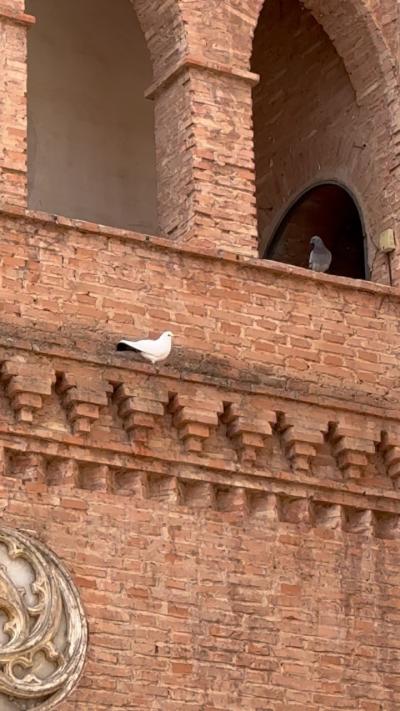
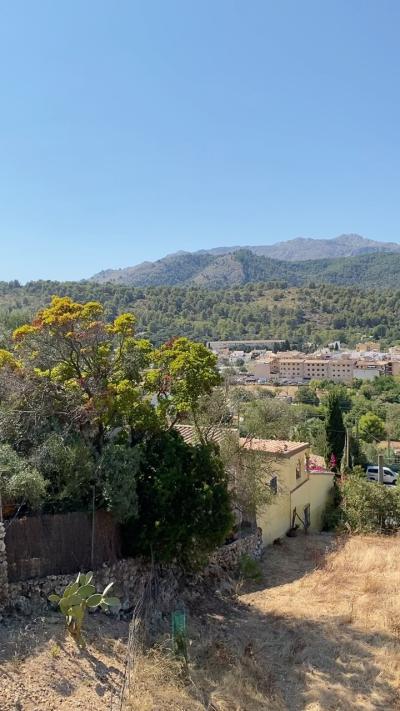
Venture inland toward pine forests and olive groves around towns like Pollenca or Valldemossa, where songbirds such as warblers, nightingales, and finches fill the air with melody. During migration seasons, the island sees occasional glimpses of colourful Oriolus oriolus and other transient species passing through. Even in Palma’s urban parks, adaptable birds like collared doves and starlings are common.
Early mornings and late afternoons are ideal for observing bird activity, especially near coastal coves like Cala Mondrago or the dunes of Es Trenc. Bringing a field guide to the island’s birds and a good pair of binoculars will enhance your experience immensely. Whether following the route of the historic Palma-Soller railway or exploring the rural Ma-13 road, you’ll enjoy a memorable insight into the island’s vibrant avifauna.
Venture inland toward pine forests and olive groves around towns like Pollenca or Valldemossa, where songbirds such as warblers, nightingales, and finches fill the air with melody. During migration seasons, the island sees occasional glimpses of colourful Oriolus oriolus and other transient species passing through. Even in Palma’s urban parks, adaptable birds like collared doves and starlings are common.
Early mornings and late afternoons are ideal for observing bird activity, especially near coastal coves like Cala Mondrago or the dunes of Es Trenc. Bringing a field guide to the island’s birds and a good pair of binoculars will enhance your experience immensely. Whether following the route of the historic Palma-Soller railway or exploring the rural Ma-13 road, you’ll enjoy a memorable insight into the island’s vibrant avifauna.
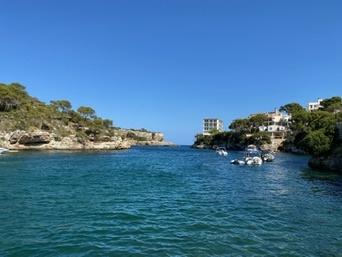
Cala Figuera
More Fotos