How do residents of Mallorca's towns feel about tourism affecting their local culture?
Similar Topics
mallorca tourism
local culture
serra de tramuntana
pollensa traditions
palma gastronomy
sustainable travel
binissalem wine
authentic festivals
Along the Serra de Tramuntana, from Valldemossa to Deià, there’s a keen awareness among locals of how tourism colors their daily lives. In these hillside villages, many appreciate visitors' interest in traditional crafts, local gastronomy like pa amb oli and sobrassada, and the festive flair of events such as Festa de l'Ametler. Yet, there is also concern that an influx of tourists, especially during peak season, risks turning these authentic customs into performances tailored more for outsiders than the community.
Down on the north coast around Pollensa and Alcúdia, residents often grapple with balancing the steady economic boost tourism brings—supporting family businesses and local wineries in Binissalem—with the pressures on infrastructure and the environment. In beach towns near Cala Mondragó and Formentor, the transformation of quiet coves into busy resorts sometimes raises worries about losing the island’s quieter rhythms.
In Palma, the dynamic is different but no less complex. While the historic center thrives on the steady flow from nearby TIB buses and the Palma metro, locals cherish their understated traditions, like savoring tumbet or indulging in a morning ensaimada at a neighborhood café. Conversations often revolve around safeguarding the city’s true essence amid evolving visitor demands. Across the island, there’s a shared desire to find equilibrium—welcoming guests warmly while ensuring Mallorca’s unique culture and environment endure for generations to come.
Down on the north coast around Pollensa and Alcúdia, residents often grapple with balancing the steady economic boost tourism brings—supporting family businesses and local wineries in Binissalem—with the pressures on infrastructure and the environment. In beach towns near Cala Mondragó and Formentor, the transformation of quiet coves into busy resorts sometimes raises worries about losing the island’s quieter rhythms.
In Palma, the dynamic is different but no less complex. While the historic center thrives on the steady flow from nearby TIB buses and the Palma metro, locals cherish their understated traditions, like savoring tumbet or indulging in a morning ensaimada at a neighborhood café. Conversations often revolve around safeguarding the city’s true essence amid evolving visitor demands. Across the island, there’s a shared desire to find equilibrium—welcoming guests warmly while ensuring Mallorca’s unique culture and environment endure for generations to come.
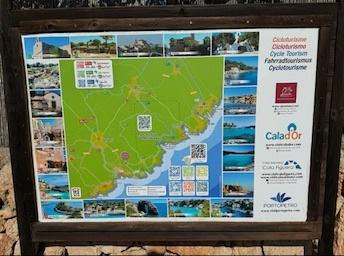
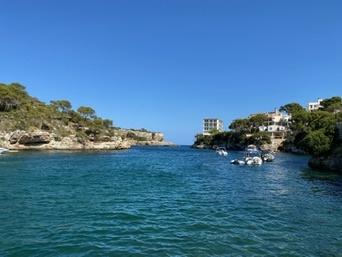
Cala Figuera
More Fotos