What role does folklore play in the everyday life of Mallorcans today?
Similar Topics
Mallorca folklore
Mallorcan culture
traditional festivals Mallorca
mythical creatures Mallorca
Fira de la Llampuga
Mallorca traditions
cultural heritage Mallorca
local crafts Mallorca
Mallorca art
community events Mallorca
Folklore plays a vibrant and integral role in the everyday life of Mallorcans, deeply woven into the social fabric and cultural identity of the island. Traditional stories, legends, and customs are not merely relics of the past; they continue to influence the ways in which people connect with their heritage and each other. For many locals, folklore serves as a bridge between generations, with tales of mythical creatures like the “dimoniet” or local heroes being recounted during family gatherings or community events. These narratives often carry moral lessons and reflect the values and traditions that are important to the Mallorcan way of life.
Festivals and celebrations throughout the year showcase the rich tapestry of Mallorcan folklore, allowing both locals and visitors to engage with cultural practices that have endured over centuries. Events such as the Fira de la Llampuga, dedicated to the seasonal catch of dolphin fish, are infused with traditional music, dance, and culinary delights that highlight regional specialties. These gatherings not only strengthen community bonds but also attract tourists keen to experience authentic Mallorcan culture. Traditional crafts, such as pottery and textiles, often incorporate folklore motifs and are celebrated through local markets, further embedding these narratives in daily life.
Moreover, folklore influences modern expressions of art and performance in Mallorca. Local artists and musicians draw inspiration from traditional tales, creating works that resonate with both the past and present. This fusion of old and new allows for a dynamic cultural landscape where folklore remains relevant and appreciated. The continued celebration of these traditions fosters a sense of pride among Mallorcans, ensuring that the stories, customs, and values passed down through generations are cherished and kept alive, enriching the island's cultural heritage for years to come.
Festivals and celebrations throughout the year showcase the rich tapestry of Mallorcan folklore, allowing both locals and visitors to engage with cultural practices that have endured over centuries. Events such as the Fira de la Llampuga, dedicated to the seasonal catch of dolphin fish, are infused with traditional music, dance, and culinary delights that highlight regional specialties. These gatherings not only strengthen community bonds but also attract tourists keen to experience authentic Mallorcan culture. Traditional crafts, such as pottery and textiles, often incorporate folklore motifs and are celebrated through local markets, further embedding these narratives in daily life.
Moreover, folklore influences modern expressions of art and performance in Mallorca. Local artists and musicians draw inspiration from traditional tales, creating works that resonate with both the past and present. This fusion of old and new allows for a dynamic cultural landscape where folklore remains relevant and appreciated. The continued celebration of these traditions fosters a sense of pride among Mallorcans, ensuring that the stories, customs, and values passed down through generations are cherished and kept alive, enriching the island's cultural heritage for years to come.
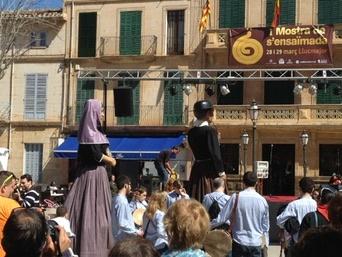
Llucmajor
More Fotos







Related Questions
Related Question
How easy is it to reach Palma’s city centre from other towns on the island?
Related Question
How long is the walk along the breakwater in Port de Sóller, and what sights are there to enjoy?
Related Question
Are there any five-star hotels on the island that focus on sustainability and eco-friendly practices?