How do farmers on the island manage their crops through the changing seasons?
Similar Topics
mallorca farming
seasonal crops
crop rotation
mediterranean agriculture
sobrassada farming
serra de tramuntana
local agriculture
irrigation practices
Farming here is deeply influenced by the island’s Mediterranean climate, marked by hot, dry summers and mild, wetter winters. Local growers have long adapted to these rhythms, carefully timing their planting and harvesting to suit the season’s demands. In the drier summer months, crops like almonds and olives thrive, while winter sees vegetables and legumes making the most of cooler temperatures and occasional rains. The limestone-rich soils around towns like Manacor and Alcudia offer an ideal base for traditional crops, requiring farmers to closely monitor moisture and soil conditions to maximize yield.
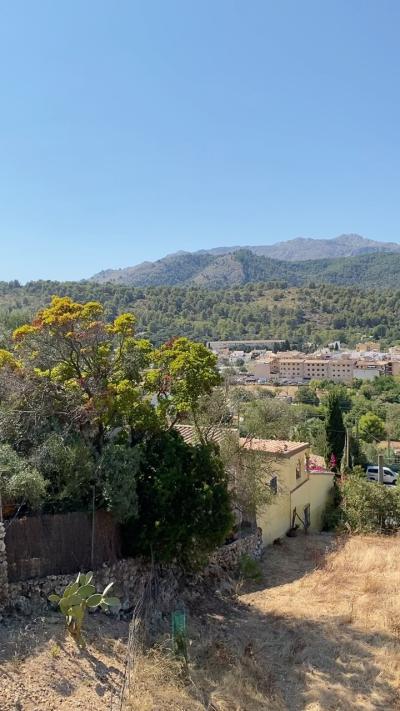
Many cultivate classic varieties such as tomatoes for tumbet, or the island’s distinctive sobrasada sausage ingredients, selecting strains resilient to summer heat and occasional drought. Water management is key, with irrigation adapted to reduce waste. Some farmers use cover crops to preserve nutrients and prevent erosion during the off-season, and rotate plantings to keep soils healthy. In Serra de Tramuntana’s terraced fields, microclimates created by elevation allow for staggered growing cycles, extending productive periods beyond the lowlands.
Farmers often stay connected through local cooperatives and agricultural extensions, sharing knowledge about pest control and sustainable practices tuned to local conditions. This collaborative spirit not only safeguards centuries-old traditions but also supports the island’s agrotourism and market culture, where fresh, locally grown produce remains a highlight. Through thoughtful adaptation, they maintain food production that complements the island’s unique natural cycles and community life.
Many cultivate classic varieties such as tomatoes for tumbet, or the island’s distinctive sobrasada sausage ingredients, selecting strains resilient to summer heat and occasional drought. Water management is key, with irrigation adapted to reduce waste. Some farmers use cover crops to preserve nutrients and prevent erosion during the off-season, and rotate plantings to keep soils healthy. In Serra de Tramuntana’s terraced fields, microclimates created by elevation allow for staggered growing cycles, extending productive periods beyond the lowlands.
Farmers often stay connected through local cooperatives and agricultural extensions, sharing knowledge about pest control and sustainable practices tuned to local conditions. This collaborative spirit not only safeguards centuries-old traditions but also supports the island’s agrotourism and market culture, where fresh, locally grown produce remains a highlight. Through thoughtful adaptation, they maintain food production that complements the island’s unique natural cycles and community life.
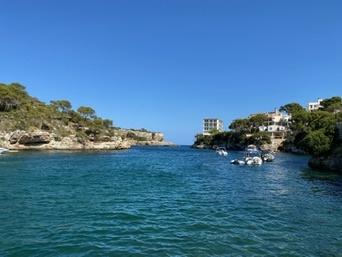
Cala Figuera
More Fotos