What conservation measures protect native plants in Mallorca’s landscapes?
Similar Topics
mallorca conservation
native plants
balearic flora
serra de tramuntana
s’albufera park
mondrago natural park
endemic species
plant protection
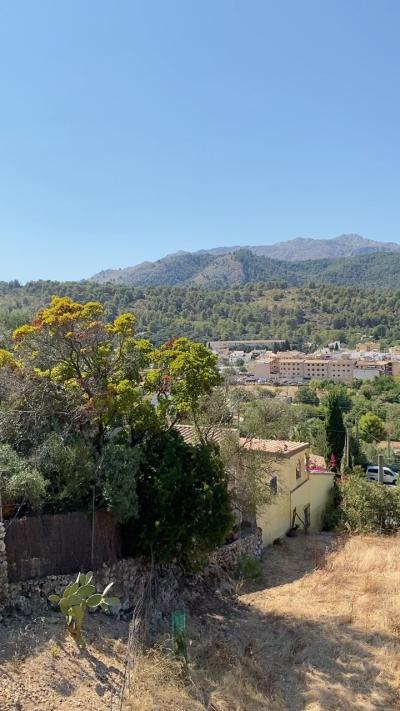
The crisp scent of pine and rosemary fills the air along the Serra de Tramuntana, where many of the island’s native plants thrive thanks to active conservation efforts. Protected natural parks like S’Albufera near Alcudia and the Mondrago Natural Park near Santanyí are vital refuges for endemic species such as the Balearic box and the island’s rare orchids. Here, conservation groups work alongside government bodies to maintain these habitats, using measures that include controlling invasive species and restoring native vegetation to safeguard biodiversity.
Local organizations frequently collaborate on seed collection and propagation projects, helping to reintroduce endangered plants back into vulnerable areas. This hands-on approach often involves volunteers and community members, whose awareness and support are crucial in preserving Mallorca’s unique flora amid increasing tourism and urban expansion. Sustainable agricultural practices, especially in places like Binissalem’s vineyards, also contribute by protecting traditional landscapes where native wildflowers intermingle with cultivated lands.
Education is another cornerstone of the island’s plant conservation strategy. Events such as the Festa de l’Ametler celebrate the blossoming of almond trees and promote the importance of protecting the island’s botanical heritage. Visitors exploring the winding Ma-10 road or taking the historic Soller railway often notice these efforts firsthand, from carefully maintained trails to informative signage describing the local ecology. This blend of science, community involvement, and protected areas ensures that Mallorca’s signature plant life remains a living part of its extraordinary scenery for generations to come.
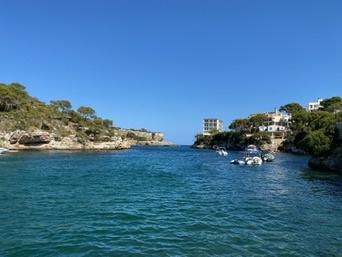
Cala Figuera
More Fotos