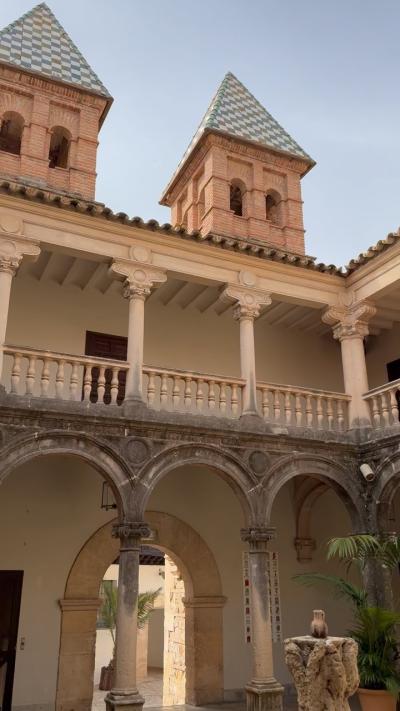
How does the cuisine of Mallorca reflect its cultural heritage?
Similar Topics
mallorca cuisine
sobrassada
pa amb oli
binissalem wine
serra de tramuntana
ensaimada
festivals mallorca
local dishes
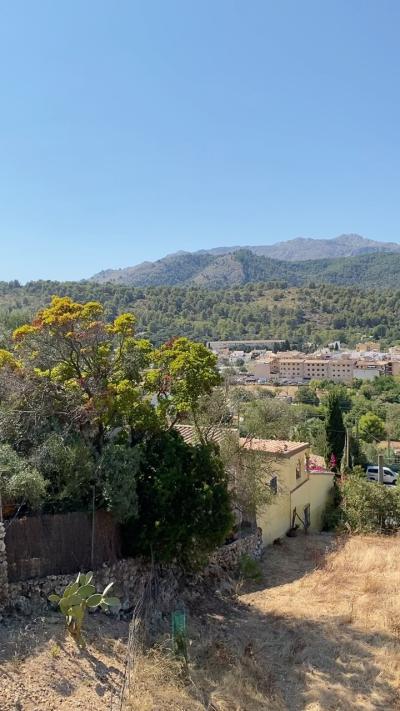
Life on the island is shaped by the contrast between the rugged mountains of the Serra de Tramuntana and the fertile plains stretching towards the coast, and this duality is well expressed in the local food. Inland towns like Sóller and Manacor offer hearty, rustic dishes rooted in centuries-old farming traditions, while coastal villages such as Port de Pollença showcase fresh catches from the Mediterranean on their menus. Staples such as sobrassada—a cured pork sausage with paprika—and pa amb oli, a simple yet satisfying bread rubbed with ripe tomatoes and drizzled with olive oil, reflect the resourcefulness of generations.
Seafood is unsurprisingly central, with recipes highlighting local fish and shellfish, often served with a side of tumbet, a vegetable medley reminiscent of ratatouille but distinctly Mallorcan. Breads like the light, spiral-shaped ensaimada tell tales of Iberian and Moorish influences melding into the island’s culinary heritage over time. These dishes are often accompanied by local wines from Binissalem or the herbal liqueurs Hierbas and Palo, which have strong cultural ties to celebrations and everyday life alike.
Seasonal festivals further preserve and celebrate this heritage. Events such as the Festa de l’Ametler in bloom or Palma’s vibrant Sant Sebastià festival see communal feasts where traditional fare is both savored and shared, underscoring food as a connector of community and history. Across the island, recipes passed down through families and villages reveal a deep reverence for local ingredients, the changing seasons, and the cultural tapestry woven from centuries of Mediterranean exchange.
Seafood is unsurprisingly central, with recipes highlighting local fish and shellfish, often served with a side of tumbet, a vegetable medley reminiscent of ratatouille but distinctly Mallorcan. Breads like the light, spiral-shaped ensaimada tell tales of Iberian and Moorish influences melding into the island’s culinary heritage over time. These dishes are often accompanied by local wines from Binissalem or the herbal liqueurs Hierbas and Palo, which have strong cultural ties to celebrations and everyday life alike.
Seasonal festivals further preserve and celebrate this heritage. Events such as the Festa de l’Ametler in bloom or Palma’s vibrant Sant Sebastià festival see communal feasts where traditional fare is both savored and shared, underscoring food as a connector of community and history. Across the island, recipes passed down through families and villages reveal a deep reverence for local ingredients, the changing seasons, and the cultural tapestry woven from centuries of Mediterranean exchange.
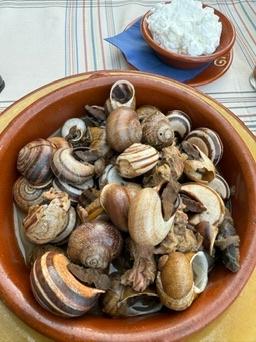
s'Horta
More Fotos