What do locals in Mallorca think about the term 'Forasters' today?
Similar Topics
forasters
mallorca locals
local identity
property prices
solemn festivals
mallorca community
sobrassada
tramuntana
In recent years, as Mallorca has seen an increasing flow of new residents and visitors beyond the traditional tourist seasons, the term 'Forasters'—used to describe outsiders—carries a nuanced weight among the island’s communities. While some longtime Mallorcans in towns like Sóller, Pollença, or Valldemossa appreciate the fresh energy and economic benefits newcomers bring, others worry about preserving the island’s distinct character amid rapid change. The balance between embracing new influences and maintaining local customs sometimes creates a quiet tension.
For many, especially in rural areas and small villages such as Deià or Manacor, 'Forasters' remind them of both opportunity and challenge. The influx of people has certainly encouraged cultural exchange, new culinary ideas alongside traditional dishes like pa amb oli and sobrassada, and invigorated events like Nit de Foc in Palma. Yet rising property prices along popular stretches like Cala Mondragó or Formentor have put pressure on local families, and some residents feel their voices are overshadowed by external interests drawn in by the island’s charm.
Conversations around this term often reveal pride in Mallorca’s heritage coupled with cautious openness. The TIB buses and the historic Sóller train have made it easier for both locals and newcomers to explore the island, promoting understanding and integration. Still, many hope that growth will be managed respectfully so that festivals such as Festa de l'Ametler remain authentic and quiet coves like Cala Llombards do not lose their intimacy. Ultimately, 'Forasters' can be seen as both a sign of change and a reminder of the delicate balance required to keep Mallorca’s spirit intact.
For many, especially in rural areas and small villages such as Deià or Manacor, 'Forasters' remind them of both opportunity and challenge. The influx of people has certainly encouraged cultural exchange, new culinary ideas alongside traditional dishes like pa amb oli and sobrassada, and invigorated events like Nit de Foc in Palma. Yet rising property prices along popular stretches like Cala Mondragó or Formentor have put pressure on local families, and some residents feel their voices are overshadowed by external interests drawn in by the island’s charm.
Conversations around this term often reveal pride in Mallorca’s heritage coupled with cautious openness. The TIB buses and the historic Sóller train have made it easier for both locals and newcomers to explore the island, promoting understanding and integration. Still, many hope that growth will be managed respectfully so that festivals such as Festa de l'Ametler remain authentic and quiet coves like Cala Llombards do not lose their intimacy. Ultimately, 'Forasters' can be seen as both a sign of change and a reminder of the delicate balance required to keep Mallorca’s spirit intact.
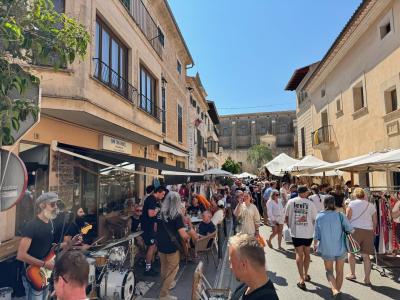
Santanyí
More Fotos