How does the traditional cuisine enhance a visit to Mallorca's historic towns and sites?
Similar Topics
mallorca cuisine
pa amb oli
historic towns
sobrassada
ensaimada
tramuntana food
binissalem wine
local dishes
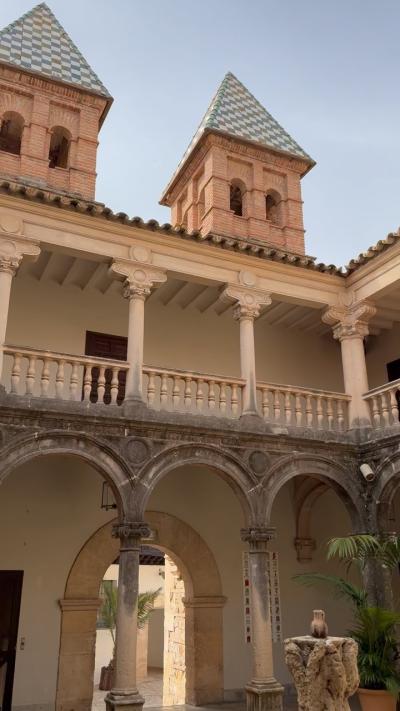
In towns like Valldemossa and Pollença, the local cuisine is inseparable from the island's rich past, offering a taste of Mallorca's cultural narrative. Enjoying dishes such as pa amb oli—a simple yet flavorful spread of local bread, olive oil, and sobrassada—provides a sensory window into the agrarian lifestyle that shaped these communities over centuries. Traditional meals often reflect the island’s Mediterranean influences and the rhythms of rural life, telling stories of harvests, family celebrations, and island customs.
Visiting historic sites like the ancient walls of Alcúdia or the cobbled streets of Sóller is complemented beautifully by sampling tumbet, a local vegetable stew akin to ratatouille, or savoring an ensaimada pastry fresh from a bakery. These flavors connect visitors to the same ingredients and culinary practices that locals have preserved through generations, making the history tangible and lived-in rather than distant.
Markets in Palma and cafés scattered throughout the Tramuntana villages are often informal stages where history and hospitality intertwine. Conversations with vendors sharing tales of the Festa de l’Ametler or insights into local wine traditions from Binissalem deepen understanding beyond guidebooks. Whether accompanied by a glass of Hierbas or Palo, local herbal liqueurs, each bite and sip ties back to Mallorca’s enduring heritage, enhancing the experience of wandering its historic past.
Visiting historic sites like the ancient walls of Alcúdia or the cobbled streets of Sóller is complemented beautifully by sampling tumbet, a local vegetable stew akin to ratatouille, or savoring an ensaimada pastry fresh from a bakery. These flavors connect visitors to the same ingredients and culinary practices that locals have preserved through generations, making the history tangible and lived-in rather than distant.
Markets in Palma and cafés scattered throughout the Tramuntana villages are often informal stages where history and hospitality intertwine. Conversations with vendors sharing tales of the Festa de l’Ametler or insights into local wine traditions from Binissalem deepen understanding beyond guidebooks. Whether accompanied by a glass of Hierbas or Palo, local herbal liqueurs, each bite and sip ties back to Mallorca’s enduring heritage, enhancing the experience of wandering its historic past.
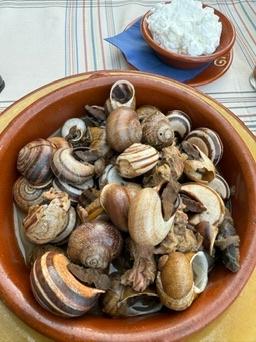
s'Horta
More Fotos