What role does tourism play in the political decisions made in Mallorca?
Similar Topics
Mallorca tourism
political decisions Mallorca
sustainable tourism
Mallorca economy
environmental sustainability Mallorca
tourism impact
local culture Mallorca
infrastructure development Mallorca
eco-friendly initiatives
visitor experience Mallorca
Tourism plays a significant role in the political landscape of Mallorca, profoundly influencing economic, environmental, and social policies. As one of the island's primary sources of income, the tourism sector generates substantial revenue and employment opportunities, which makes it a focal point for political discussions. Local governments often prioritize policies that support tourism development, aiming to attract more visitors and enhance the overall visitor experience. This can include investments in infrastructure, such as roads and public transport, as well as improvements to amenities and services that cater to tourists.
However, the impact of tourism on Mallorca is not solely positive. The influx of millions of visitors each year has raised concerns about environmental sustainability, overpopulation, and the preservation of local culture. These challenges lead to political debates about how to balance economic benefits with the need to protect the island's natural beauty and cultural heritage. Recent years have seen a push for more sustainable tourism practices, prompting local authorities to implement measures such as limiting new hotel developments and promoting eco-friendly initiatives. These decisions are often shaped by public sentiment, as residents express their views on how tourism affects their lives and the character of their communities.
Moreover, political parties in Mallorca may use tourism-related issues as a platform to garner support from constituents. For instance, addressing concerns about noise pollution or the need for better waste management can resonate with both residents and visitors alike. As such, policymakers must navigate the complex dynamics between fostering a thriving tourism economy and ensuring that the quality of life for locals is not compromised. In this way, tourism not only contributes to Mallorca's economic framework but also serves as a catalyst for ongoing discussions about the island's future and the values that its residents wish to uphold.
However, the impact of tourism on Mallorca is not solely positive. The influx of millions of visitors each year has raised concerns about environmental sustainability, overpopulation, and the preservation of local culture. These challenges lead to political debates about how to balance economic benefits with the need to protect the island's natural beauty and cultural heritage. Recent years have seen a push for more sustainable tourism practices, prompting local authorities to implement measures such as limiting new hotel developments and promoting eco-friendly initiatives. These decisions are often shaped by public sentiment, as residents express their views on how tourism affects their lives and the character of their communities.
Moreover, political parties in Mallorca may use tourism-related issues as a platform to garner support from constituents. For instance, addressing concerns about noise pollution or the need for better waste management can resonate with both residents and visitors alike. As such, policymakers must navigate the complex dynamics between fostering a thriving tourism economy and ensuring that the quality of life for locals is not compromised. In this way, tourism not only contributes to Mallorca's economic framework but also serves as a catalyst for ongoing discussions about the island's future and the values that its residents wish to uphold.
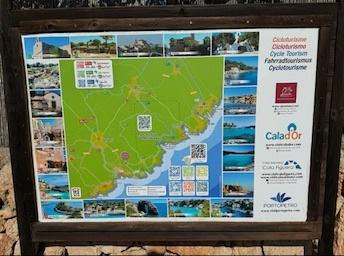
Cala Figuera
More Fotos