What role did tourism play in attracting foreign capital to Mallorca during this era?
Similar Topics
Mallorca tourism
foreign capital Mallorca
Mallorca economy
tourist destination Mallorca
investment in Mallorca
Mallorca hotels
cultural heritage Mallorca
Mallorca beaches
luxury resorts Mallorca
economic growth Mallorca
Tourism has been a pivotal force in attracting foreign capital to Mallorca, particularly during the mid-20th century when the island began to emerge as a popular destination for international travelers. The picturesque landscapes, mild climate, and rich cultural heritage of Mallorca made it an appealing choice for tourists, especially from Northern Europe. As the demand for sun-soaked holidays surged, local businesses and the government recognized the potential of tourism to stimulate economic growth. This led to significant investments in infrastructure, including hotels, restaurants, and transportation services, which in turn attracted even more visitors and foreign investors eager to capitalize on the burgeoning market.
As tourism flourished, foreign capital began to flow into the island, fostering a cycle of development and prosperity. Investors from various countries saw the potential for lucrative returns on investments in the hospitality sector, leading to the establishment of international hotel chains and luxury resorts. This influx of foreign capital not only boosted the local economy but also created job opportunities for residents, enhancing the overall standard of living on the island. Moreover, the collaboration between local businesses and foreign investors helped introduce new concepts and standards in hospitality, further elevating Mallorca's profile as a premier tourist destination.
The impact of tourism on Mallorca's economy extends beyond mere financial gains; it has also played a crucial role in preserving and promoting the island's cultural identity. The revenue generated from tourism has enabled the local government to invest in the preservation of historical sites and traditional practices, ensuring that the island's unique character remains intact. Consequently, tourism has woven itself into the fabric of Mallorca's society, shaping not only its economy but also its cultural landscape, making it a vibrant destination that continues to attract visitors from around the globe.
As tourism flourished, foreign capital began to flow into the island, fostering a cycle of development and prosperity. Investors from various countries saw the potential for lucrative returns on investments in the hospitality sector, leading to the establishment of international hotel chains and luxury resorts. This influx of foreign capital not only boosted the local economy but also created job opportunities for residents, enhancing the overall standard of living on the island. Moreover, the collaboration between local businesses and foreign investors helped introduce new concepts and standards in hospitality, further elevating Mallorca's profile as a premier tourist destination.
The impact of tourism on Mallorca's economy extends beyond mere financial gains; it has also played a crucial role in preserving and promoting the island's cultural identity. The revenue generated from tourism has enabled the local government to invest in the preservation of historical sites and traditional practices, ensuring that the island's unique character remains intact. Consequently, tourism has woven itself into the fabric of Mallorca's society, shaping not only its economy but also its cultural landscape, making it a vibrant destination that continues to attract visitors from around the globe.
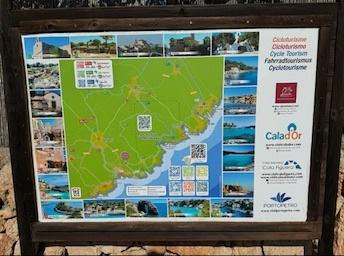
Cala Figuera
More Fotos