How did the geography of Mallorca influence its historical development?
Similar Topics
Mallorca geography
historical development
Serra de Tramuntana
Mediterranean trade
cultural exchange
Moorish influence
agriculture techniques
natural resources
architectural styles
Mallorca tourism
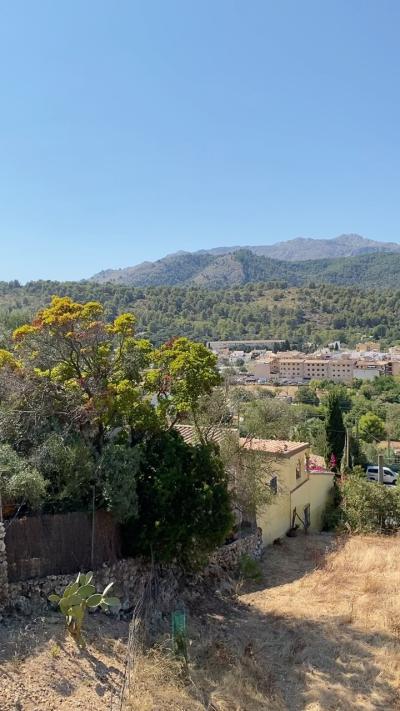
Mallorca's geography has played a crucial role in shaping its historical development, influencing everything from settlement patterns to economic activities. The island's diverse terrain, which includes rugged mountains, fertile plains, and a stunning coastline, made it an attractive destination for various civilizations throughout history. The Serra de Tramuntana mountain range, which runs along the northwest of the island, provided natural protection and resources, fostering early settlements that could thrive in relative safety. The fertile valleys, particularly in the central region, supported agriculture, allowing communities to flourish and produce surplus crops that could be traded with neighboring regions.
The strategic location of Mallorca in the Mediterranean also made it a pivotal point for maritime trade and cultural exchange. Over the centuries, it has been occupied by various groups, including the Romans, Moors, and Catalans, each leaving their mark on the island's culture and architecture. The coastline, dotted with natural harbors, facilitated trade and interaction with other Mediterranean societies. This maritime influence not only enriched Mallorca's economy but also led to the introduction of different cultural elements, including language, cuisine, and traditions, which continue to shape the island's identity today.
Moreover, the abundance of natural resources, such as stone and clay, enabled the development of local crafts and architecture. During the Moorish period, for example, the island saw significant advancements in agriculture and irrigation techniques, which transformed the landscape and boosted food production. The legacy of these historical influences is evident in the island's charming towns and villages, where you can still see the blending of architectural styles and cultural practices. Overall, Mallorca's geography has not only influenced its historical trajectory but has also created a rich tapestry of experiences for visitors to explore.
The strategic location of Mallorca in the Mediterranean also made it a pivotal point for maritime trade and cultural exchange. Over the centuries, it has been occupied by various groups, including the Romans, Moors, and Catalans, each leaving their mark on the island's culture and architecture. The coastline, dotted with natural harbors, facilitated trade and interaction with other Mediterranean societies. This maritime influence not only enriched Mallorca's economy but also led to the introduction of different cultural elements, including language, cuisine, and traditions, which continue to shape the island's identity today.
Moreover, the abundance of natural resources, such as stone and clay, enabled the development of local crafts and architecture. During the Moorish period, for example, the island saw significant advancements in agriculture and irrigation techniques, which transformed the landscape and boosted food production. The legacy of these historical influences is evident in the island's charming towns and villages, where you can still see the blending of architectural styles and cultural practices. Overall, Mallorca's geography has not only influenced its historical trajectory but has also created a rich tapestry of experiences for visitors to explore.
Sa Fonts Seca
More Fotos