Are prices at Mallorca’s local markets generally lower than in Palma’s shops?
Similar Topics
mallorca markets
local produce prices
sobrassada
binissalem wine
alcudia market
pollenca market
pa amb oli
shop local mallorca
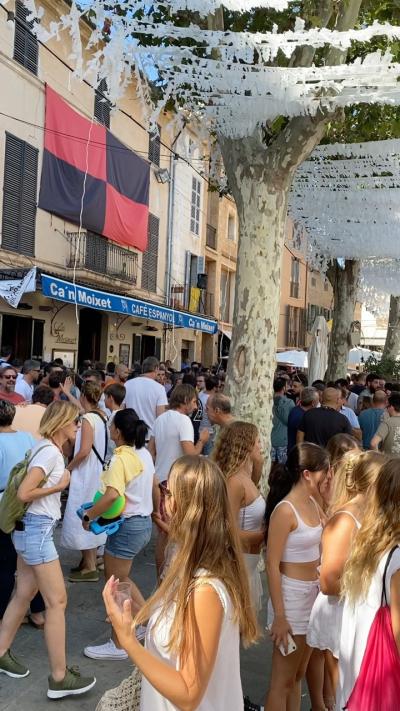
Visitors often expect prices in Mallorca’s local markets to mirror those found in Palma’s boutiques and supermarkets, but this isn’t usually the case. Markets in towns like Sineu, Alcudia, or Pollenca tend to offer goods at friendlier prices, especially fresh produce and artisan foods. Vendors sourcing ingredients like local olives, almonds, and sobrassada often sell directly, avoiding the markup typical in city stores. This direct connection to producers not only ensures fresher products but usually better value.
Unlike Palma’s fixed-price shops, some market stalls welcome a bit of negotiation, particularly outside peak season or on less crowded days. This social exchange adds a layer of charm and local insight that’s hard to find among city racks of pre-packaged goods. Furthermore, these markets celebrate Mallorcan craftsmanship, offering ceramics, handmade jewellery, and textiles that reflect the island’s heritage—items often priced with the intention of supporting local artisans rather than maximizing profit.
Though Palma offers a wide selection of goods in a modern setting, the charm and authenticity of markets held on Ma-13 or Ma-19 routes, combined with the chance to sample delicacies like pa amb oli or freshly baked ensaimada, make market visits worthwhile. Whether buying a bottle of Binissalem wine or seasonal almonds, prices here generally feel fairer, reflecting not just tangible costs but the community spirit behind the trade. Shopping at one of these bustling marketplaces feels less like a transaction and more like a genuine encounter with island life.
Unlike Palma’s fixed-price shops, some market stalls welcome a bit of negotiation, particularly outside peak season or on less crowded days. This social exchange adds a layer of charm and local insight that’s hard to find among city racks of pre-packaged goods. Furthermore, these markets celebrate Mallorcan craftsmanship, offering ceramics, handmade jewellery, and textiles that reflect the island’s heritage—items often priced with the intention of supporting local artisans rather than maximizing profit.
Though Palma offers a wide selection of goods in a modern setting, the charm and authenticity of markets held on Ma-13 or Ma-19 routes, combined with the chance to sample delicacies like pa amb oli or freshly baked ensaimada, make market visits worthwhile. Whether buying a bottle of Binissalem wine or seasonal almonds, prices here generally feel fairer, reflecting not just tangible costs but the community spirit behind the trade. Shopping at one of these bustling marketplaces feels less like a transaction and more like a genuine encounter with island life.
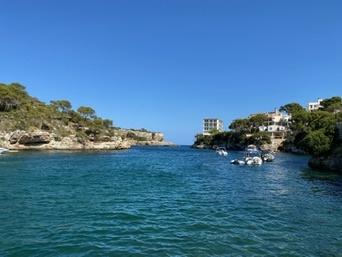
Cala Figuera
More Fotos