What is the history of pa amb oli and how does it reflect Mallorca's culinary traditions?
Similar Topics
pa amb oli
mallorca cuisine
sobrassada
binissalem wine
mallorca food traditions
mallorca festivals
tramuntana range
local mallorcan dishes
Many visitors arrive expecting a dish as celebrated worldwide as paella, but here the simple pa amb oli captures the island’s essence far more vividly. Born from humble rural beginnings, this straightforward yet satisfying combination of local bread rubbed with ripe tomato, drizzled with olive oil, and topped with sobrassada or cheese has been a staple of Mallorcan tables for centuries. It radiates the resourcefulness of farming communities nestled in towns like Sineu or Manacor, where fresh, locally sourced ingredients played a central role in everyday life.
Pa amb oli isn’t just about sustenance — it’s a symbol of conviviality, traditionally enjoyed as a shared lunch or appetizer with friends and family, often accompanied by a glass of crisp Binissalem wine or a fragrant Hierbas. The island’s olive groves and tomato fields give the dish its authentic flavor, while variations might include local cheeses or simply anchovies, making it a versatile part of Mallorca’s gastronomic identity. Much like the Tramuntana mountain range shapes the landscape, pa amb oli shapes the culinary soul here.
The cultural significance endures at local festivals such as Sant Sebastià in Palma, where traditional foods like this are celebrated alongside music and dance. Sampling pa amb oli in a village market café or in a bustling Palma tavern is less about the complexity of the dish and more about embracing a centuries-old life rhythm on the island — slow, earthy, and deeply connected to the land. It stands as a reminder that sometimes the most memorable flavors come from the simplest recipes, made distinct by place and tradition.
Pa amb oli isn’t just about sustenance — it’s a symbol of conviviality, traditionally enjoyed as a shared lunch or appetizer with friends and family, often accompanied by a glass of crisp Binissalem wine or a fragrant Hierbas. The island’s olive groves and tomato fields give the dish its authentic flavor, while variations might include local cheeses or simply anchovies, making it a versatile part of Mallorca’s gastronomic identity. Much like the Tramuntana mountain range shapes the landscape, pa amb oli shapes the culinary soul here.
The cultural significance endures at local festivals such as Sant Sebastià in Palma, where traditional foods like this are celebrated alongside music and dance. Sampling pa amb oli in a village market café or in a bustling Palma tavern is less about the complexity of the dish and more about embracing a centuries-old life rhythm on the island — slow, earthy, and deeply connected to the land. It stands as a reminder that sometimes the most memorable flavors come from the simplest recipes, made distinct by place and tradition.
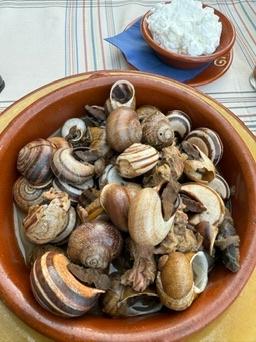
s'Horta
More Fotos





Related Questions
Related Question
Are there any scenic coastal drives to enjoy on Mallorca, and what can I expect to see?
Related Question
How far in advance should I book flights and accommodation for a trip to Mallorca to get the best prices?
Related Question
How do local festivals in Alcúdia celebrate its history, and are they suitable for children?