What are the typical weather patterns throughout the year on Mallorca?
Similar Topics
mallorca weather
seasonal climate
serra de tramuntana
beach weather
spring temperatures
summer heat
fall weather
island climate
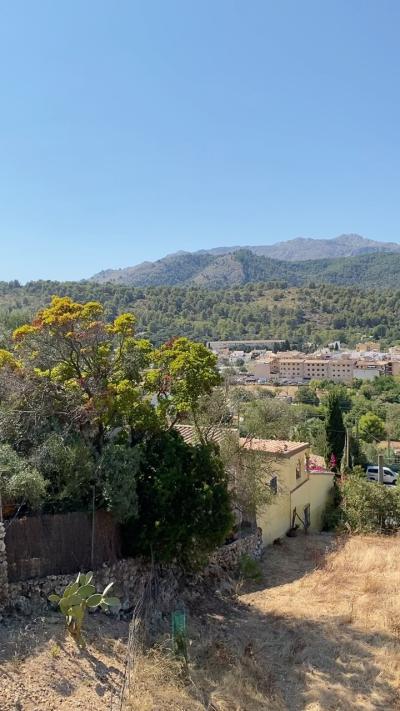
The climate on Mallorca has long shaped the rhythms of island life, from agriculture to festivals. Winters are generally mild along the coast, with Palma and Alcudia seeing cool days and crisp nights, though the Serra de Tramuntana brings cooler temps and occasional frost in places like Valldemossa and Soller. Snow is rare but can dust the mountain peaks briefly, creating dramatic landscapes that contrast with the Mediterranean greenery.
As spring unfolds from March to May, almond blossom heralds warmer days and the burst of wildflowers across the Tramuntana slopes and the plains near Manacor. This season is marked by pleasant temperatures ideal for exploring hidden coves such as Cala Mondrago or hiking trails that wind alongside the Ma-10 road. Rainfall tends to be moderate, enough to freshen the landscape without disrupting outdoor activities.
Summer heats up with lots of sunshine, especially in July and August, drawing crowds to iconic beaches like Es Trenc and Formentor. Temperatures often reach the high 20s and low 30s Celsius, cooling off in the evenings with sea breezes near Palma Bay or the north coast. One of the best ways to escape the midday heat is to visit mountain villages like Deia or enjoy a glass of Binissalem wine during la fresca. Autumn sees a gradual decline in temperature but retains summery sunshine well into October, with crisp, clear days perfect for scenic drives on the Ma-19 or attending local events like the Festa de l'Ametler.
Overall, the island enjoys a Mediterranean climate that supports outdoor pursuits year-round, with each season offering its own blend of natural beauty and cultural charm. Travelers appreciate this cycle for everything from hiking in the shoulder seasons to basking on sandy beaches in the height of summer.
As spring unfolds from March to May, almond blossom heralds warmer days and the burst of wildflowers across the Tramuntana slopes and the plains near Manacor. This season is marked by pleasant temperatures ideal for exploring hidden coves such as Cala Mondrago or hiking trails that wind alongside the Ma-10 road. Rainfall tends to be moderate, enough to freshen the landscape without disrupting outdoor activities.
Summer heats up with lots of sunshine, especially in July and August, drawing crowds to iconic beaches like Es Trenc and Formentor. Temperatures often reach the high 20s and low 30s Celsius, cooling off in the evenings with sea breezes near Palma Bay or the north coast. One of the best ways to escape the midday heat is to visit mountain villages like Deia or enjoy a glass of Binissalem wine during la fresca. Autumn sees a gradual decline in temperature but retains summery sunshine well into October, with crisp, clear days perfect for scenic drives on the Ma-19 or attending local events like the Festa de l'Ametler.
Overall, the island enjoys a Mediterranean climate that supports outdoor pursuits year-round, with each season offering its own blend of natural beauty and cultural charm. Travelers appreciate this cycle for everything from hiking in the shoulder seasons to basking on sandy beaches in the height of summer.

More Fotos