What traditional customs should I expect at Mallorca's local festivals?
Similar Topics
mallorca festivals
sant sebastia
nit de foc
festa de l'ametler
pa amb oli
binissalem wine
tramuntana traditions
mallorca food
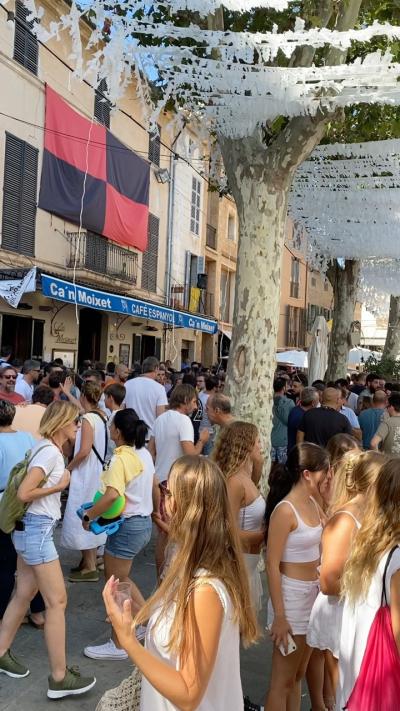
Locals here tend to approach festivals as a blend of celebration and cultural ritual, deeply rooted in the island’s history. Events like the Sant Sebastià festival in Palma, celebrated every January, are marked by lively street parties alongside ceremonies honoring the city’s patron saint. It’s common to see locals partaking in traditional dances, while groups gather around bonfires, recalling ancient rites that mix Christian and pagan elements.
In the north, the Nit de Foc in Palma captivates with spectacular fireworks and fire runs, where participants don fiery costumes, a ritual symbolizing strength and purification. Meanwhile, in the Tramuntana villages like Sóller and Valldemossa, the Festa de l’Ametler (Almond Blossom Festival) in February celebrates the blooming almond trees, combining folk music, crafts, and local gastronomic delights, including pa amb oli and sobrassada.
Food and drink are inseparable from these occasions, with traditional treats like ensaimadas and a glass of Binissalem wine commonly enjoyed during festivities. The palpable sense of community during these gatherings is enhanced by centuries-old customs, such as the communal sharing of Mallorcan tumbet or sipping herbal liqueurs like Hierbas and Palo. Participating in these local traditions not only offers a festive experience but also a meaningful connection to the island’s cultural heartbeat.
In the north, the Nit de Foc in Palma captivates with spectacular fireworks and fire runs, where participants don fiery costumes, a ritual symbolizing strength and purification. Meanwhile, in the Tramuntana villages like Sóller and Valldemossa, the Festa de l’Ametler (Almond Blossom Festival) in February celebrates the blooming almond trees, combining folk music, crafts, and local gastronomic delights, including pa amb oli and sobrassada.
Food and drink are inseparable from these occasions, with traditional treats like ensaimadas and a glass of Binissalem wine commonly enjoyed during festivities. The palpable sense of community during these gatherings is enhanced by centuries-old customs, such as the communal sharing of Mallorcan tumbet or sipping herbal liqueurs like Hierbas and Palo. Participating in these local traditions not only offers a festive experience but also a meaningful connection to the island’s cultural heartbeat.

Cala Figuera
More Fotos