How has hotel architecture on the island evolved over time?
Similar Topics
mallorca hotels
hotel architecture
sustainable design
boutique hotels
tramuntana style
local materials
smart hotel technology
mallorca coast
Hotel design here often reflects a balance between traditional charm and modern innovation, shaped by Mallorca's distinct cultural heritage and natural landscape. Early 20th-century establishments, especially in Palma and Sóller, tended to showcase classic Mediterranean elegance, with ornate facades and generous terraces capturing the island’s relaxed luxury. The influence of Art Deco and mid-century modernism can be noticed in some coastal hotels along the Ma-13 and Ma-19, where clean lines and functional spaces aimed to accommodate the growing influx of holidaymakers while prioritizing comfort.
More recently, sustainability has become a key focus for new developments and renovations. Eco-conscious design principles incorporate solar panels and natural ventilation, while emphasizing locally sourced materials such as stone and wood from the Tramuntana region. Boutique hotels in towns like Deià and Valldemossa often blend seamlessly into their settings, featuring subtle nods to Mallorcan architectural traditions alongside contemporary innovations.
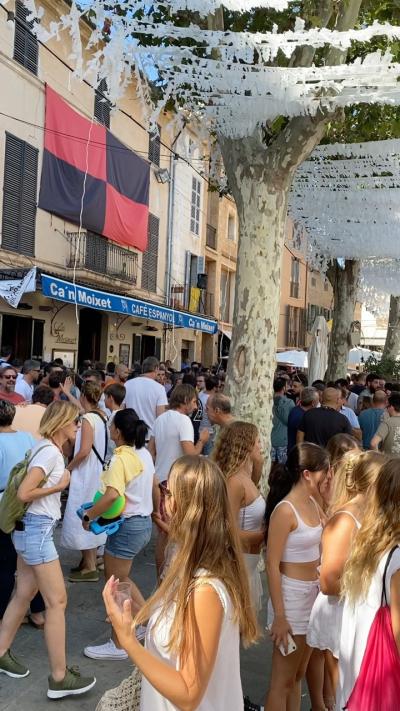
Technology also plays a subtle but increasing role, especially in upscale places where smart room controls and adaptive spaces enhance guest experiences without compromising the island’s signature ambiance. This integration allows hotels to respond fluidly to the varied needs of visitors, whether they’re arriving for the vibrant festivities of Sant Sebastià in Palma or a tranquil retreat near Cala Mondragó. Overall, the island’s hotel architecture weaves together sustainability, respect for local culture, and modern convenience, crafting stays that feel both authentic and forward-looking.
More recently, sustainability has become a key focus for new developments and renovations. Eco-conscious design principles incorporate solar panels and natural ventilation, while emphasizing locally sourced materials such as stone and wood from the Tramuntana region. Boutique hotels in towns like Deià and Valldemossa often blend seamlessly into their settings, featuring subtle nods to Mallorcan architectural traditions alongside contemporary innovations.
Technology also plays a subtle but increasing role, especially in upscale places where smart room controls and adaptive spaces enhance guest experiences without compromising the island’s signature ambiance. This integration allows hotels to respond fluidly to the varied needs of visitors, whether they’re arriving for the vibrant festivities of Sant Sebastià in Palma or a tranquil retreat near Cala Mondragó. Overall, the island’s hotel architecture weaves together sustainability, respect for local culture, and modern convenience, crafting stays that feel both authentic and forward-looking.

Cala Figuera
More Fotos