Did Franco's policies lead to any environmental impacts on Mallorca?
Similar Topics
Franco policies Mallorca
environmental impacts Mallorca
Mallorca urbanization
tourism in Mallorca
biodiversity loss Mallorca
sustainable tourism Mallorca
Mallorca natural resources
habitat fragmentation Mallorca
agricultural practices Mallorca
environmental conservation Mallorca
Franco's regime, which lasted from 1939 to 1975, had significant impacts on Mallorca, particularly in terms of environmental changes driven by his policies. During this period, the island underwent rapid urbanization and development, largely fueled by the push for tourism as a means of economic recovery. This led to widespread construction of hotels, roads, and infrastructure, which often encroached on natural landscapes and disrupted local ecosystems. The once tranquil agricultural land and traditional villages were transformed into bustling tourist hotspots, leading to habitat fragmentation and loss of biodiversity.
Furthermore, the influx of tourism brought about increased demand for resources, resulting in over-extraction of water and strain on the island's natural resources. The introduction of intensive agriculture to support the growing population and tourism industry also contributed to soil degradation and pollution from fertilizers and pesticides. As a result, some areas experienced significant environmental degradation, which has been a concern for conservationists and residents alike.
In recent years, Mallorca has made strides toward restoring its environment and promoting sustainable tourism practices. However, the legacy of Franco's policies still lingers in the form of urban sprawl and the ongoing challenge of balancing development with the preservation of the island's natural beauty. Visitors to Mallorca today can appreciate the stunning landscapes while also recognizing the importance of protecting these environments for future generations.
Furthermore, the influx of tourism brought about increased demand for resources, resulting in over-extraction of water and strain on the island's natural resources. The introduction of intensive agriculture to support the growing population and tourism industry also contributed to soil degradation and pollution from fertilizers and pesticides. As a result, some areas experienced significant environmental degradation, which has been a concern for conservationists and residents alike.
In recent years, Mallorca has made strides toward restoring its environment and promoting sustainable tourism practices. However, the legacy of Franco's policies still lingers in the form of urban sprawl and the ongoing challenge of balancing development with the preservation of the island's natural beauty. Visitors to Mallorca today can appreciate the stunning landscapes while also recognizing the importance of protecting these environments for future generations.
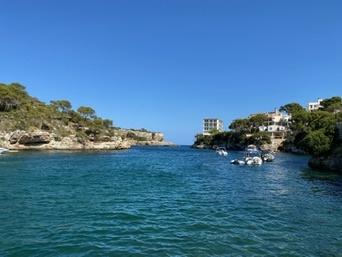
Cala Figuera
More Fotos