How have Mallorca's economic changes shaped the architecture and layout of its towns?
Similar Topics
mallorca economy
town architecture
urban planning
palma buildings
tramuntana towns
soller railway
ma-13 road
local materials
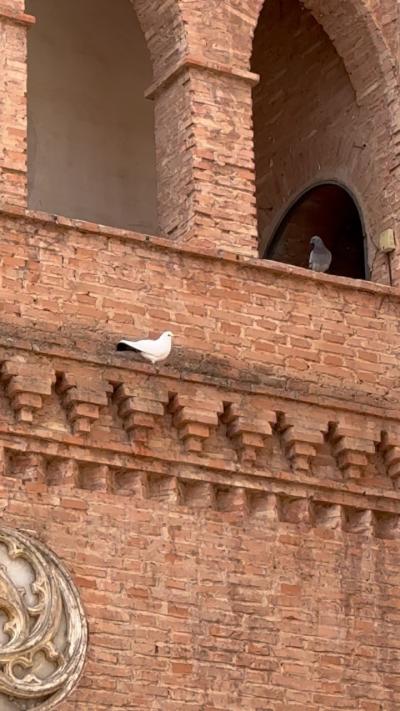
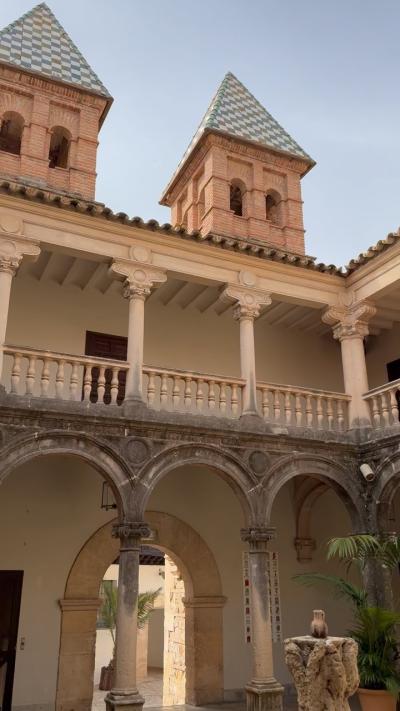
In recent decades, Mallorca's shifting economy—from agriculture and fishing to tourism and services—has left a clear imprint on its towns' architecture and urban planning. Historic centres like Palma and Pollensa still display their medieval and Renaissance roots, with narrow streets and stone buildings reflecting eras when the island's economy was based on trade and local crafts. The prosperity of those times is evident in ornate churches and public squares, designed to showcase communal pride and wealth.
The rise of tourism in the mid-20th century sparked a wave of new construction, particularly along the coastlines near Alcudia and Cala Mondrago. Here, the focus shifted to practicality and capacity, evident in modern hotels, apartment blocks, and infrastructure like the Ma-13, which improved access between Palma and the north. While this brought economic growth, architectural styles often became simpler and more functional, prioritizing visitor needs over traditional aesthetics.
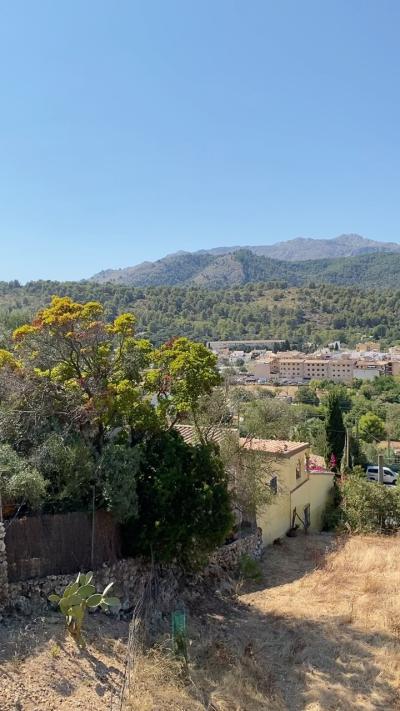
Meanwhile, inland towns such as Soller and Valldemossa have maintained a balance, preserving historic stone casas alongside newer developments that blend local materials and designs with contemporary comfort. The TIB bus network and the historic Soller railway support these towns’ connectivity without overwhelming their character. Economic challenges have encouraged sustainable renovation as well, urging locals to reuse traditional elements like sobrassada cellars and olive presses, embedding a resilient spirit in their urban fabric.
Exploring Mallorca’s varied towns offers a glimpse into how prosperity and necessity have sculpted their appearance—distinct neighbourhoods tell a story of adaptation, cultural pride, and survival. The eclectic layers of architecture and urban design offer a tangible history of how economic tides have shaped not just buildings, but daily life across the island.
The rise of tourism in the mid-20th century sparked a wave of new construction, particularly along the coastlines near Alcudia and Cala Mondrago. Here, the focus shifted to practicality and capacity, evident in modern hotels, apartment blocks, and infrastructure like the Ma-13, which improved access between Palma and the north. While this brought economic growth, architectural styles often became simpler and more functional, prioritizing visitor needs over traditional aesthetics.
Meanwhile, inland towns such as Soller and Valldemossa have maintained a balance, preserving historic stone casas alongside newer developments that blend local materials and designs with contemporary comfort. The TIB bus network and the historic Soller railway support these towns’ connectivity without overwhelming their character. Economic challenges have encouraged sustainable renovation as well, urging locals to reuse traditional elements like sobrassada cellars and olive presses, embedding a resilient spirit in their urban fabric.
Exploring Mallorca’s varied towns offers a glimpse into how prosperity and necessity have sculpted their appearance—distinct neighbourhoods tell a story of adaptation, cultural pride, and survival. The eclectic layers of architecture and urban design offer a tangible history of how economic tides have shaped not just buildings, but daily life across the island.
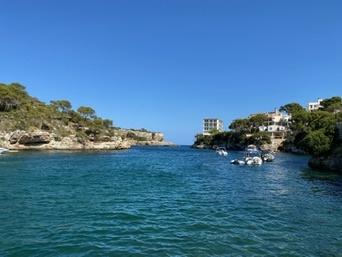
Cala Figuera
More Fotos