How does the food differ between Mallorca's seaside towns and its mountain villages?
Similar Topics
mallorca cuisine
coastal dishes
inland food
sobrassada
tumebt
binissalem wine
tramuntana food
es trenc seafood
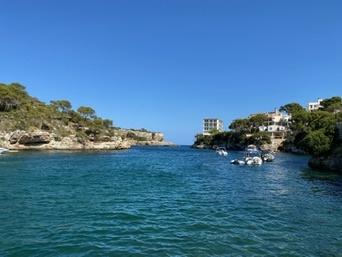
The scent of sea salt mingling with fresh pine often drifts through port towns like Port de Pollenca and Cala Ratjada, where the local cuisine celebrates the Mediterranean harvest from the waters. Here, dishes brim with freshly caught fish grilled over open flames or simmered in fragrant stews like caldereta de llagosta. Tapas of marinated octopus or claw-slick gambas are common, accompanied by crisp white Binissalem wines or a glass of herbal Palo. Along the shores of Es Trenc or Cala Mondrago, locals and visitors alike savor lighter fare, where colorful salads, ripe tomatoes, and island-grown almonds balance the seafood’s briny richness, underscoring the fresh, sun-soaked flavors that define coastal dining.
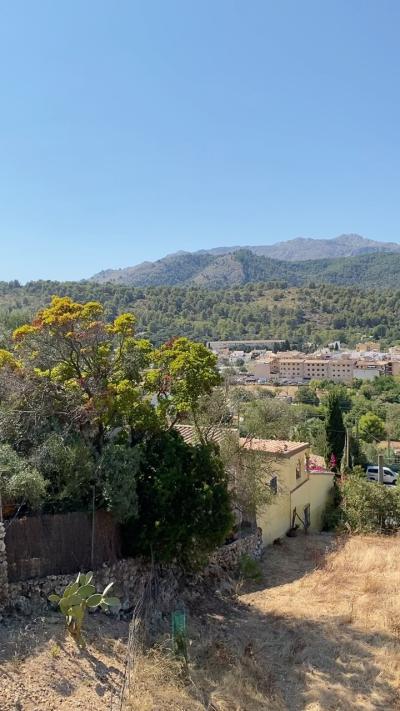
In contrast, deep in the Tramuntana or the fertile lands around Sineu and Manacor, meals take on a heartier, earthier character. Dishes here lean into Mallorca’s rural heritage—roast lamb, sobrasada-spiced sausages, and tumbet, a baked medley of aubergines, peppers, and potatoes drenched in tomato sauce. The robust flavors are often paired with robust reds from local vineyards or a fragrant glass of Hierbas liqueur. Meal times in towns like Valldemossa or Llucmayor tend to be more communal, reflecting generations of farmers collecting together after long days in the fields. The taste of the land, slowly cooked and richly spiced, contrasts with the lightness of the coast and offers a fuller picture of the island’s culinary story.
Whether dining in a sunlit café in Palma’s old town or at a rustic eatery in Deia, the difference between sea and soil reveals itself in the palette—freshness and zest by the sea, heart and tradition inland. This variation not only celebrates Mallorca’s diverse landscapes but also invites travellers to experience the island’s culture through its unique and compelling flavors.
In contrast, deep in the Tramuntana or the fertile lands around Sineu and Manacor, meals take on a heartier, earthier character. Dishes here lean into Mallorca’s rural heritage—roast lamb, sobrasada-spiced sausages, and tumbet, a baked medley of aubergines, peppers, and potatoes drenched in tomato sauce. The robust flavors are often paired with robust reds from local vineyards or a fragrant glass of Hierbas liqueur. Meal times in towns like Valldemossa or Llucmayor tend to be more communal, reflecting generations of farmers collecting together after long days in the fields. The taste of the land, slowly cooked and richly spiced, contrasts with the lightness of the coast and offers a fuller picture of the island’s culinary story.
Whether dining in a sunlit café in Palma’s old town or at a rustic eatery in Deia, the difference between sea and soil reveals itself in the palette—freshness and zest by the sea, heart and tradition inland. This variation not only celebrates Mallorca’s diverse landscapes but also invites travellers to experience the island’s culture through its unique and compelling flavors.
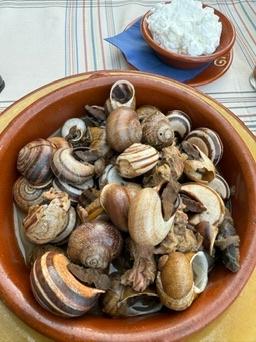
s'Horta
More Fotos