How do Mallorcan towns involve their communities in organizing traditional festivals?
Similar Topics
mallorca festivals
local communities
traditional celebrations
festa de l'ametler
nit de foc
mallorcan culture
pa amb oli
binissalem wine
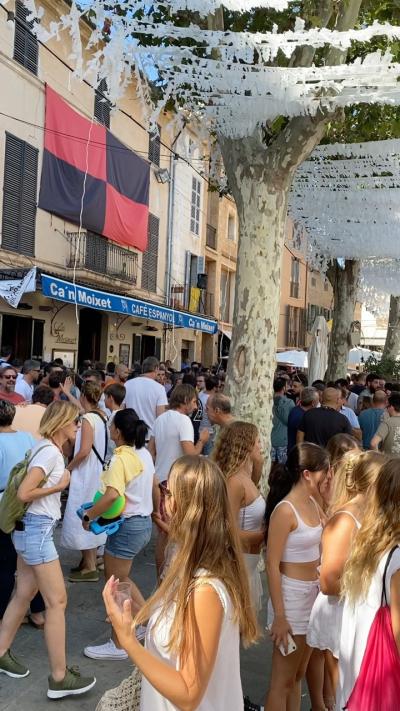
Many of the island’s most cherished festivals trace their roots back centuries, steeped in local tradition and communal pride. Towns like Palma, Pollença, and Alcúdia rely heavily on their residents to breathe life into events such as the Nit de Foc or the Festa de l'Ametler. It’s the villagers, artisans, musicians, and families who come together to plan and prepare, ensuring that each celebration reflects their unique heritage and customs. The process is highly participatory, with community meetings and informal gatherings where ideas, roles, and schedules are openly discussed and shared.
Volunteering is the backbone of these festivities. From stringing up decorations in the narrow streets of Valldemossa to preparing local delicacies like pa amb oli or sobrassada in Deia’s kitchens, locals lend their skills and time with enthusiasm. Traditional music and dance routines showcase the talents of homegrown performers, while stalls featuring handmade crafts and local wines from Binissalem further deepen visitors’ connections to the culture. This shared effort fosters a warm sense of belonging and ensures that these events remain authentic expressions of Mallorcan identity rather than commercialized spectacles.
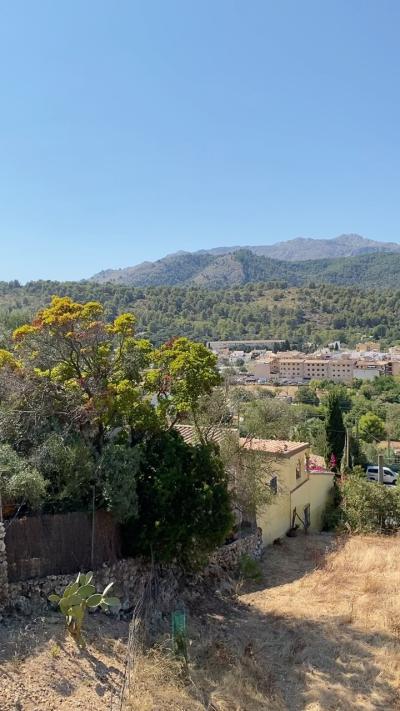
For visitors, witnessing such active community involvement enriches the experience, revealing the genuine spirit behind the island’s festivities. The shared joy and pride in preserving old customs transform these occasions into celebrations of life and history, binding the community together amid the striking landscapes of the Serra de Tramuntana or along beaches like Cala Mondrago. Rather than mere events, they become heartfelt moments where generations unite, and the island’s cultural fabric is woven tighter with every dance, song, and shared meal.
Volunteering is the backbone of these festivities. From stringing up decorations in the narrow streets of Valldemossa to preparing local delicacies like pa amb oli or sobrassada in Deia’s kitchens, locals lend their skills and time with enthusiasm. Traditional music and dance routines showcase the talents of homegrown performers, while stalls featuring handmade crafts and local wines from Binissalem further deepen visitors’ connections to the culture. This shared effort fosters a warm sense of belonging and ensures that these events remain authentic expressions of Mallorcan identity rather than commercialized spectacles.
For visitors, witnessing such active community involvement enriches the experience, revealing the genuine spirit behind the island’s festivities. The shared joy and pride in preserving old customs transform these occasions into celebrations of life and history, binding the community together amid the striking landscapes of the Serra de Tramuntana or along beaches like Cala Mondrago. Rather than mere events, they become heartfelt moments where generations unite, and the island’s cultural fabric is woven tighter with every dance, song, and shared meal.

Cala Figuera
More Fotos