How have traditional irrigation systems influenced current farming techniques in Mallorca?
Similar Topics
mallorca farming
traditional irrigation
acequias
serra de tramuntana
binissalem wine
drip irrigation
manacor agriculture
pollenca orchards
In the fertile plains surrounding Manacor, centuries-old irrigation channels still shape agricultural life. These vaulted stone conduits, many dating back to Moorish times, provide a vital link in watering fields of almonds, olives, and vegetables, especially in this Mediterranean climate where dry spells are common. Farmers here continue to rely on these carefully maintained acequias, combining them with modern drip irrigation to conserve every precious drop of water.
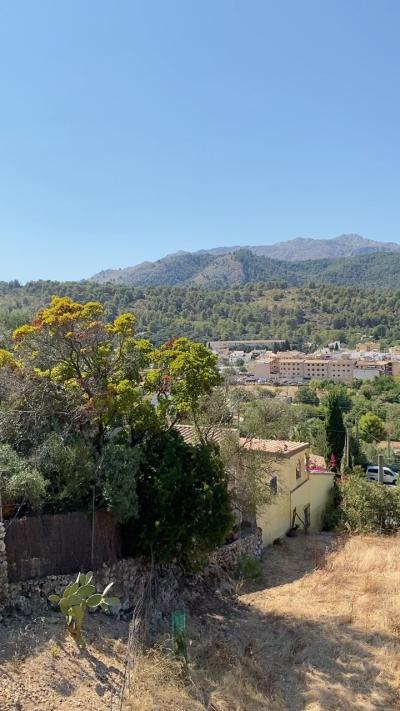
Beyond the plains, stepped terraces beneath the Serra de Tramuntana also reflect ancient wisdom in water management, helping to prevent soil erosion while maximizing arable land on steep slopes. In towns like Pollenca and Sóller, irrigation traditions blend with modern practices; locals harness these historic networks to sustain orchards and vineyards, particularly in the Binissalem region known for its wine.
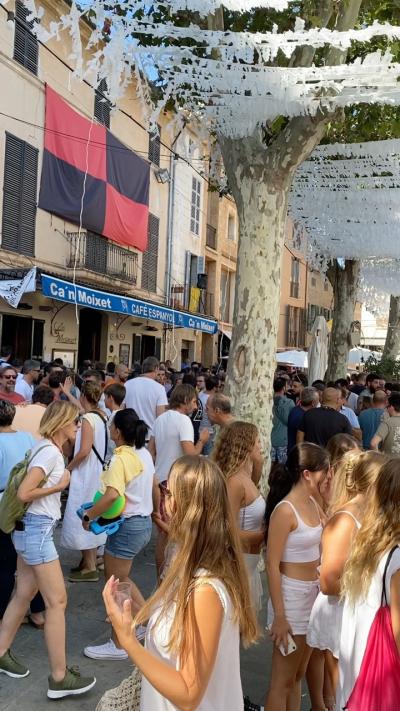
This fusion of old and new not only enhances crop yields but also preserves cultural heritage. Tourists visiting during events like the Festa de l'Ametler might glimpse these ancient systems at work, gaining insight into how Balearic farmers have adapted over centuries to the challenges of a rugged island landscape. The careful stewardship of water echoes across Mallorca’s agriculture, reminding visitors that the island’s food and drink owe part of their character to such enduring ingenuity.
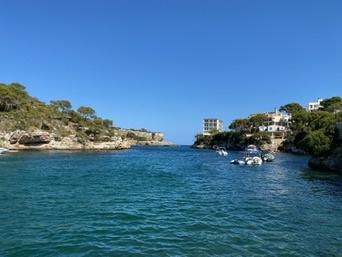
Cala Figuera
More Fotos
Related Questions
Related Question
How does the atmosphere in Mallorca change during the Holy Week leading up to Good Friday?
Related Question
What kinds of art workshops can visitors find around Palma and the Tramuntana?
Related Question
Is there any historical significance to the Castell d’Alaró that I should know about?