Are there any local weather quirks I should know about when planning a trip around the island?
Similar Topics
mallorca weather
tramuntana wind
es trenc climate
pollenca weather
spring in mallorca
summer heat mallorca
valldemossa climate
soller weather
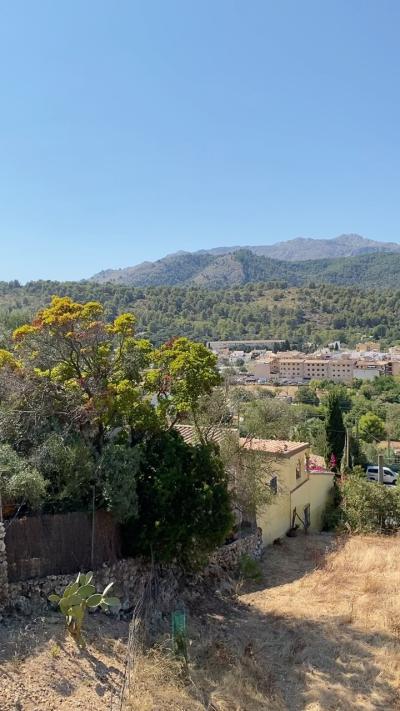
Driving along the Ma-10 through the Serra de Tramuntana, you might notice how swiftly the weather can shift between the mountains and the coast. The north-west tends to be cooler and breezier, especially near Pollenca and Formentor, while the southern plains around Es Trenc often bask in steady sunshine with little breeze. These microclimates mean packing layers is wise, as mornings by Palma’s harbor might be mild, but evenings, especially in the hills around Valldemossa or Deia, can turn unexpectedly chilly.
Spring and autumn bring gentle warmth and blooming almond trees, celebrated often during the Festa de l’Ametler, but still beware of occasional showers that can surprise even in the sunniest spots. Summers are typically hot and dry, with popular beaches like Cala Mondrago buzzing under uninterrupted blue skies. However, on rare days, strong northerly winds called 'tramontana' can whip down through the mountain passes, cooling the air but making sea conditions rough, which is worth keeping an eye on if you plan to swim or sail.
Compared to mainland Spain, the Mediterranean climate here is quite stable, yet the varying altitudes and coastal exposures create charming differences across the island. Checking the TIB bus schedules or the Soller railway times often also means keeping an ear on local weather updates, especially in winter months when occasional fog or rain might slow journeys. Embracing these subtle shifts adds to the rhythm of exploring this vibrant island from dusty inland towns like Manacor to the lively streets of Palma.
Spring and autumn bring gentle warmth and blooming almond trees, celebrated often during the Festa de l’Ametler, but still beware of occasional showers that can surprise even in the sunniest spots. Summers are typically hot and dry, with popular beaches like Cala Mondrago buzzing under uninterrupted blue skies. However, on rare days, strong northerly winds called 'tramontana' can whip down through the mountain passes, cooling the air but making sea conditions rough, which is worth keeping an eye on if you plan to swim or sail.
Compared to mainland Spain, the Mediterranean climate here is quite stable, yet the varying altitudes and coastal exposures create charming differences across the island. Checking the TIB bus schedules or the Soller railway times often also means keeping an ear on local weather updates, especially in winter months when occasional fog or rain might slow journeys. Embracing these subtle shifts adds to the rhythm of exploring this vibrant island from dusty inland towns like Manacor to the lively streets of Palma.

More Fotos






Related Questions
Related Question
Which dining options are available at family-friendly hotels in Mallorca that suit children?
Related Question
What should I do if I realize my luggage is missing after leaving Palma airport?
Related Question
Are there any hidden coves or beaches around Mallorca that are best reached by boat?