Is it common to bargain with vendors at local markets in Mallorca, or are prices fixed?
Similar Topics
mallorca markets
bargaining customs
local vendors
pollenca market
palma shopping
sobrassada price
traditional markets
mallorca crafts
In recent years, many of Mallorca’s markets, especially those in Palma and towns like Soller and Alcudia, have become more tourist-oriented, which has influenced pricing practices. While fixed prices are increasingly common at well-established stalls selling crafts or local delicacies such as sobrassada or ensaimada, occasional haggling still happens, particularly in smaller, less formal markets or when buying directly from individual farmers or artisans.
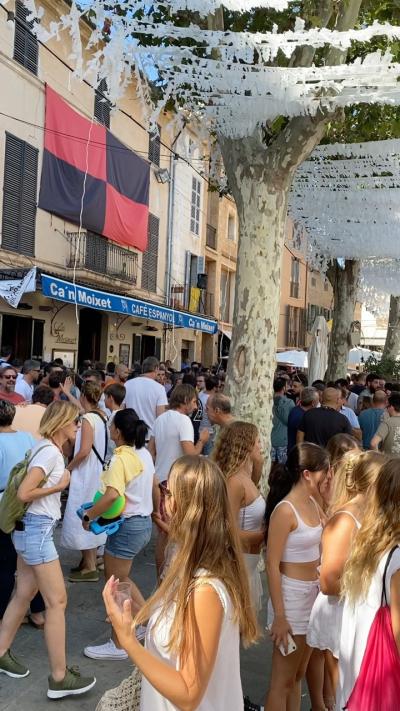
Markets like the one in Pollenca or the Sunday market in Inca, known for its leather goods and local produce, reflect a more traditional atmosphere, where a polite, good-natured negotiation can sometimes lower the price, especially if purchasing more than one item. That said, any bargaining tends to be gentle and respectful — it’s more about connecting with the vendor than driving down costs drastically. In more tourist-frequented spots, such as Palma’s Mercat de l’Olivar or stalls near the beaches at Cala Mondrago, prices are usually fixed due to higher footfall and standardization.
Engaging with sellers over a shared interest in local products or Mallorca’s food traditions, like pa amb oli or Binissalem wine, is often appreciated and can lead to pleasant exchanges that go beyond simple price discussions. Observing how other shoppers interact during festivals like Festa de l’Ametler or Sant Sebastià can give good clues on what to expect. Maintaining a friendly approach ensures a richer market experience and a better glimpse into island life. Ultimately, whether you negotiate or not, wandering through these markets amid the sounds of local music and aromas of fresh produce remains a highlight of any visit.
Markets like the one in Pollenca or the Sunday market in Inca, known for its leather goods and local produce, reflect a more traditional atmosphere, where a polite, good-natured negotiation can sometimes lower the price, especially if purchasing more than one item. That said, any bargaining tends to be gentle and respectful — it’s more about connecting with the vendor than driving down costs drastically. In more tourist-frequented spots, such as Palma’s Mercat de l’Olivar or stalls near the beaches at Cala Mondrago, prices are usually fixed due to higher footfall and standardization.
Engaging with sellers over a shared interest in local products or Mallorca’s food traditions, like pa amb oli or Binissalem wine, is often appreciated and can lead to pleasant exchanges that go beyond simple price discussions. Observing how other shoppers interact during festivals like Festa de l’Ametler or Sant Sebastià can give good clues on what to expect. Maintaining a friendly approach ensures a richer market experience and a better glimpse into island life. Ultimately, whether you negotiate or not, wandering through these markets amid the sounds of local music and aromas of fresh produce remains a highlight of any visit.

Cala Figuera
More Fotos






Related Questions
Related Question
Do the refugios in the Tramuntana mountains have cooking facilities or should I bring my own food?
Related Question
What’s the price range for dining options around Plaça Cartoixa?
Related Question
Are there guided hiking tours on the Serra de Tramuntana for visitors seeking company and expert local knowledge?