How do Catalan and Spanish languages influence the names and flavors of traditional Mallorcan dishes?
Similar Topics
mallorca cuisine
catalan dishes
sobrassada
pa amb oli
ensaimada
hierbas liqueur
traditional food names
binissalem wine
The linguistic blend on the island shapes both the vocabulary and essence of its local cuisine. Many traditional dishes carry Catalan names that reflect Mallorca’s history and agricultural heritage, such as “pa amb oli,” a humble yet iconic pairing of rustic bread, olive oil, and local tomatoes, or “tumbet,” a layered vegetable dish resonating with the Mediterranean palate. Spanish and Catalan words often intertwine in the names of foods and ingredients, reflecting centuries of cultural convergence. For example, “sobrassada,” a cured sausage spiced with paprika, draws its name from the Catalan word referring to cured pork, yet it’s recognized island-wide as a staple delicacy.
This linguistic heritage also extends to desserts like the “ensaimada,” a light, spiral-shaped pastry whose name and preparation showcase Mallorcan traditions passed down across generations. Conversations around these dishes often include terms deeply rooted in Catalan, highlighting cooking methods unique to the region, such as slow-roasting or preserving in olive oil. Even drinks like “Hierbas,” a sweet herbal liqueur, carry names directly linked to the native language, grounding them firmly within local customs.
The interplay of language influences not just names but reflects an identity forged through the island’s unique geography—from the fertile plains around Binissalem vineyards to the coastal villages like Port de Pollenca. Sampling local fare becomes a cultural journey, where understanding the linguistic origins adds layers of meaning to every bite, whether enjoyed in a rustic market in Palma or a seaside restaurant on the north coast. This rich tapestry of language and cuisine invites visitors to appreciate Mallorca beyond its beaches, delving into the stories simmered within its pots and pans.
This linguistic heritage also extends to desserts like the “ensaimada,” a light, spiral-shaped pastry whose name and preparation showcase Mallorcan traditions passed down across generations. Conversations around these dishes often include terms deeply rooted in Catalan, highlighting cooking methods unique to the region, such as slow-roasting or preserving in olive oil. Even drinks like “Hierbas,” a sweet herbal liqueur, carry names directly linked to the native language, grounding them firmly within local customs.
The interplay of language influences not just names but reflects an identity forged through the island’s unique geography—from the fertile plains around Binissalem vineyards to the coastal villages like Port de Pollenca. Sampling local fare becomes a cultural journey, where understanding the linguistic origins adds layers of meaning to every bite, whether enjoyed in a rustic market in Palma or a seaside restaurant on the north coast. This rich tapestry of language and cuisine invites visitors to appreciate Mallorca beyond its beaches, delving into the stories simmered within its pots and pans.
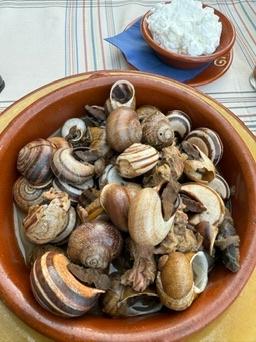
s'Horta
More Fotos