How accessible are popular sights and transport options around Mallorca for travelers with mobility challenges?
Similar Topics
wheelchair friendly mallorca
accessible transport palma
tramuntana accessibility
es trenc access
mobility aids rental
accessible beaches
inclusive tours mallorca
tib bus network
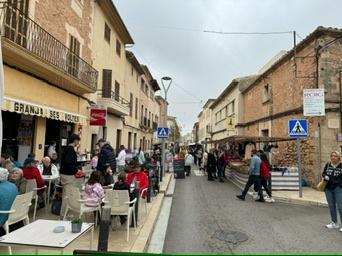
Travelers with mobility needs will find that accessibility has improved steadily across the island, though conditions vary between urban and rural areas. In Palma, the capital, many museums and historic sites have introduced ramps and elevators, while accessible restrooms are increasingly standard. The Palma metro and the local TIB bus network both provide low-floor vehicles and priority seating, making city travel relatively straightforward. It’s advisable to check individual venue websites in advance, as some older buildings in places like Valldemossa or Deia may still pose challenges despite recent upgrades.
When heading beyond the towns, accessibility can be less consistent. The Serra de Tramuntana’s rugged terrain means that natural parks and hiking paths often include uneven or gravel surfaces, which can be difficult to navigate. However, some popular beaches like Es Trenc and Cala Mondrago are known for having accessible boardwalks and adapted facilities. For travelers aiming to explore smaller towns such as Soller by the historic railway, parked transport vehicles often accommodate wheelchairs, but the trains themselves may have limited space, so advance notice is essential.
Several local tour operators now specialize in accessible excursions, with vehicles equipped for wheelchairs and knowledgeable guides who tailor routes accordingly. Renting mobility aids like scooters is possible, especially in Palma and Alcudia, enhancing independence when visiting markets or festivals such as Nit de Foc. While some limitations remain, the island’s tourism services show a strong commitment to inclusivity, ensuring visitors with mobility challenges can enjoy its cultural heritage and natural beauty with confidence.
When heading beyond the towns, accessibility can be less consistent. The Serra de Tramuntana’s rugged terrain means that natural parks and hiking paths often include uneven or gravel surfaces, which can be difficult to navigate. However, some popular beaches like Es Trenc and Cala Mondrago are known for having accessible boardwalks and adapted facilities. For travelers aiming to explore smaller towns such as Soller by the historic railway, parked transport vehicles often accommodate wheelchairs, but the trains themselves may have limited space, so advance notice is essential.
Several local tour operators now specialize in accessible excursions, with vehicles equipped for wheelchairs and knowledgeable guides who tailor routes accordingly. Renting mobility aids like scooters is possible, especially in Palma and Alcudia, enhancing independence when visiting markets or festivals such as Nit de Foc. While some limitations remain, the island’s tourism services show a strong commitment to inclusivity, ensuring visitors with mobility challenges can enjoy its cultural heritage and natural beauty with confidence.

More Fotos