What environmental measures are in place to protect the beaches and marine life around Mallorca?
- Mallorca beaches
- Marine protection
- Sustainable fishing
- Beach clean-ups
- Posidonia conservation
- Renewable energy mallorca
- Tramuntana environment
- Tib bus sustainability
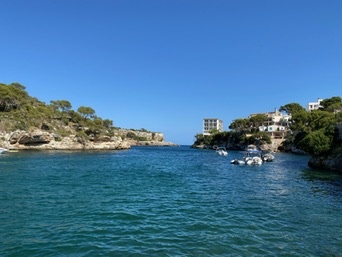
The island’s environmental efforts are shaped strongly by the rhythms of the tourist season, when the pressures on beaches like Es Trenc and Cala Mondrago intensify. Local authorities and communities have initiated beach clean-up campaigns that often involve both residents and visitors, especially during spring and autumn when crowds are thinner. These programs help preserve the pristine condition of coves and safeguard the habitats of marine turtles and posidonia seagrass meadows, which are vital to the island’s marine ecosystem.
Marine protected areas near Cap de Formentor and along the Serra de Tramuntana coastline limit fishing activities, giving fish populations a chance to rebound and maintaining biodiversity. Sustainable fishing is encouraged through regulations enforced by local fishers, while educational signs along coastal trails in Pollenca and Alcudia raise awareness about respecting wildlife and avoiding litter. Visitors are also advised to use biodegradable sunscreens to protect sensitive underwater environments.
Energy-wise, towns such as Valldemossa and Deia are exploring renewable sources and eco-friendly infrastructure, including solar installations and permeable paving that reduces runoff into the sea. The TIB bus network promotes public transport over private cars for reaching beaches and rural spots, helping cut emissions around heavily trafficked loads like the Ma-13 and Ma-19. Supporting local artisan producers of sobrassada or browsing Binissalem wines in environmentally conscious vineyards also contributes indirectly to regional sustainability efforts. With these measures in place, travelers who come mindful of their impact can help keep Mallorca’s coasts as enchanting tomorrow as they are today.