How do Mallorca's traditions and customs reflect its rich and varied history?
Similar Topics
mallorca traditions
serra de tramuntana
nit de foc
pa amb oli
ensaimada
festa de l’ametler
sobrassada
hierbas
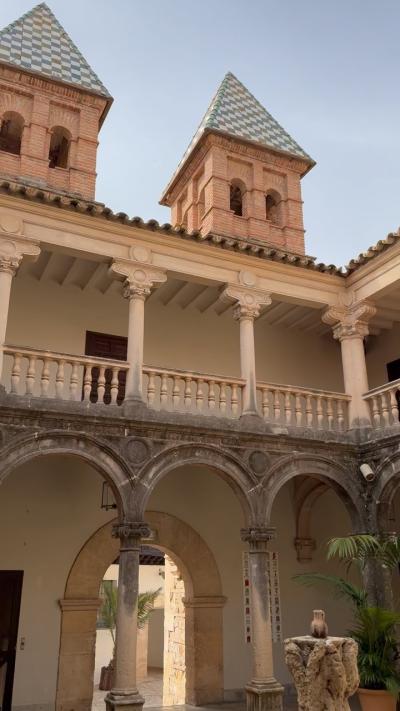
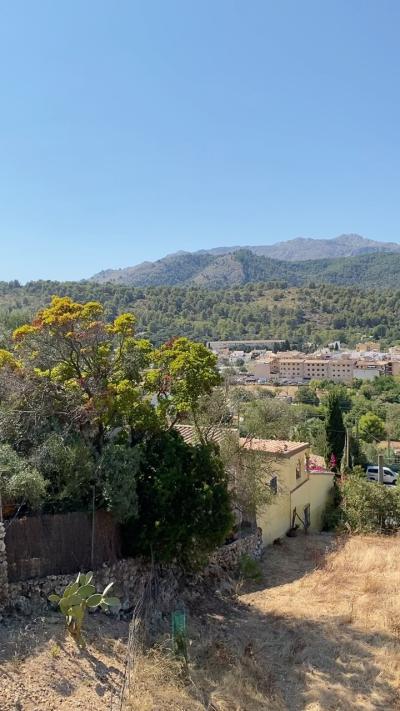
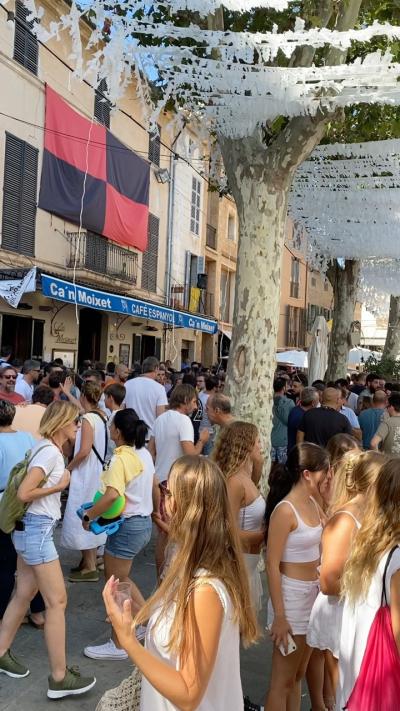
Centuries of diverse influences have shaped the traditions and customs found throughout the Serra de Tramuntana and beyond. Ancient talaiots scattered near towns like Pollenca and Capdepera hint at prehistoric beginnings, while later Roman and Moorish presences laid the groundwork for many cultural practices still seen today. Many local festivals celebrate this layered heritage; for example, the Nit de Foc in Palma features fiery parades rooted in medieval rites, merging ancient rituals with contemporary communal joy.
Culinary traditions particularly showcase Mallorca's blended past. Dishes like tumbet—an island vegetable stew with peppers, aubergines, and potatoes—trace back to Moorish influences, while pa amb oli and sobrassada reveal the farmers' and shepherds’ legacy in the inland villages of Soller and Valldemossa. Sweet treats like ensaimadas are a symbol of local craftsmanship, enjoyed across the island alongside sips of Hierbas or Palo, emblematic Balearic herbal liqueurs.
Craftsmanship and folk customs further echo the island’s history. The art of making traditional espardenyes sandals, often found in markets at Alcudia, attests to a long-standing rural lifestyle adapted to the mountain terrain. Seasonal events such as the Festa de l’Ametler celebrate the blossoming of almond trees with music and dance, binding the community to the rhythms of nature and ancestral agricultural cycles.
Together, these traditions form a vibrant cultural fabric, inviting visitors to experience a landscape where history is alive—in the bustling streets of Palma, the serene coves like Cala Mondrago, and the age-old villages that dot the mountains and plains alike.
Culinary traditions particularly showcase Mallorca's blended past. Dishes like tumbet—an island vegetable stew with peppers, aubergines, and potatoes—trace back to Moorish influences, while pa amb oli and sobrassada reveal the farmers' and shepherds’ legacy in the inland villages of Soller and Valldemossa. Sweet treats like ensaimadas are a symbol of local craftsmanship, enjoyed across the island alongside sips of Hierbas or Palo, emblematic Balearic herbal liqueurs.
Craftsmanship and folk customs further echo the island’s history. The art of making traditional espardenyes sandals, often found in markets at Alcudia, attests to a long-standing rural lifestyle adapted to the mountain terrain. Seasonal events such as the Festa de l’Ametler celebrate the blossoming of almond trees with music and dance, binding the community to the rhythms of nature and ancestral agricultural cycles.
Together, these traditions form a vibrant cultural fabric, inviting visitors to experience a landscape where history is alive—in the bustling streets of Palma, the serene coves like Cala Mondrago, and the age-old villages that dot the mountains and plains alike.

Cala Figuera
More Fotos