How did the design of ports in Mallorca evolve due to steamship travel?
Similar Topics
Mallorca ports
steamship travel
Port of Palma
maritime traffic
tourism in Mallorca
port design evolution
19th century travel
dock facilities
cargo and passengers
beautiful ports
The design of ports in Mallorca underwent significant transformation with the advent of steamship travel in the 19th century. Prior to this, the island's ports were primarily designed to accommodate sailing vessels, which required deeper, more sheltered harbors to protect against the elements. As steamships emerged, they altered not only the way goods and people were transported but also how ports were constructed and utilized. The need for larger docking facilities and more robust infrastructure became paramount, as steamships were typically larger and faster than their sailing counterparts. This shift prompted the expansion of existing ports and the development of new ones to handle the increasing maritime traffic.
One of the most notable examples of this evolution can be seen in the Port of Palma, which underwent extensive renovations to support the newer steam-powered vessels. The construction of larger quays and deeper docks allowed for better access and more efficient loading and unloading of cargo and passengers. Additionally, the introduction of amenities such as warehouses and passenger terminals reflected the growing importance of tourism and trade in the region. The design changes not only accommodated the steamships but also improved the overall experience for travelers, marking a transition towards modern travel.
As steamship travel flourished, it also led to an increase in tourism, which brought about further enhancements to port areas. The ports became gateways for international visitors, prompting local authorities to invest in beautification projects and public spaces, turning them into vibrant hubs of activity. This evolution in port design ultimately helped shape Mallorca's identity as a popular tourist destination, blending its rich maritime history with the demands of modern travel. Today, while the island has adapted to the needs of contemporary vessels, the legacy of steamship travel can still be seen in the bustling ports that welcome visitors from around the world.
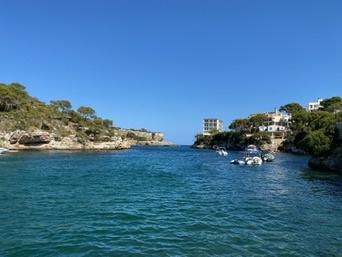
Cala Figuera
More Fotos