Do certain areas of Mallorca have a different linguistic character or influence?
Similar Topics
Mallorca
Mallorquí dialect
linguistic diversity
Catalan language
Palma
Balearic Islands
traditional Mallorcan culture
Castilian Spanish
expat communities
tourism in Mallorca
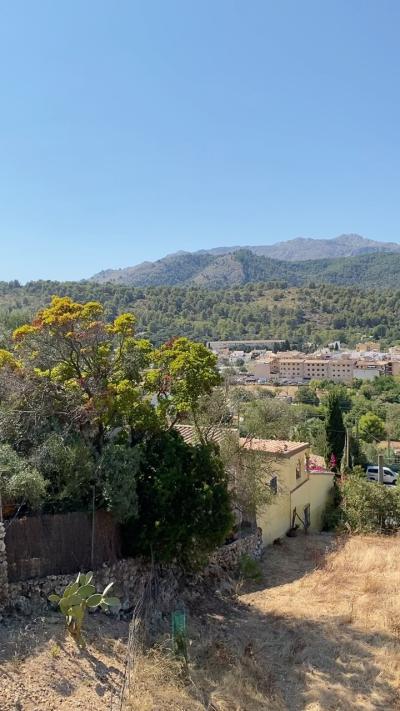
Mallorca, the largest of the Balearic Islands, showcases a rich tapestry of linguistic influences that reflect its history and cultural diversity. The primary language spoken on the island is Catalan, specifically the Mallorquí dialect, which has its unique nuances. However, due to its historical ties and tourism, different areas of Mallorca exhibit varying linguistic characteristics. In the more rural parts of the island, such as the villages in the Tramuntana mountain range, you may encounter locals who speak with a stronger accent and use terms that are deeply rooted in traditional Mallorcan culture. This dialect is often infused with a sense of pride and identity, showcasing the island's heritage.
In contrast, more urban areas like Palma, the island’s capital, tend to have a greater influence from Castilian Spanish and even English, particularly in neighborhoods frequented by tourists. The cosmopolitan atmosphere of Palma has led to a blend of languages, with English and German being widely spoken due to the large expat communities and tourism. This linguistic diversity is evident in the vibrant street life and cafes, where you might hear a mix of languages being spoken. Furthermore, many locals in these areas are bilingual, adept at switching between languages to accommodate visitors.
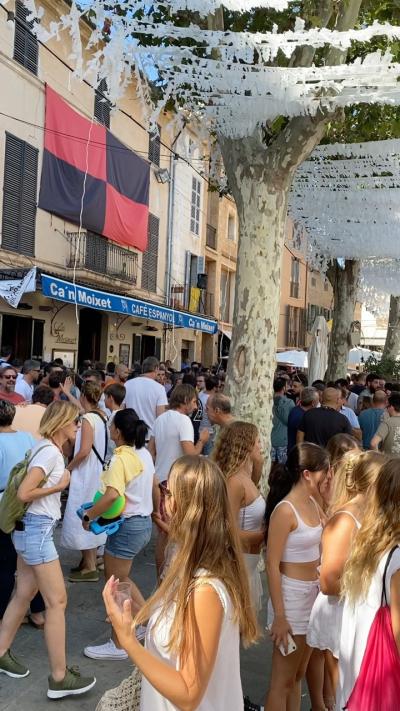
As you explore the island, you’ll find that this linguistic variety enriches your experience. From traditional festivals in smaller towns where locals proudly communicate in their dialect, to the bustling markets in Palma where you can practice your Spanish or English, each area of Mallorca offers a unique flavor of communication. Embracing the local language, even in simple greetings or phrases, can enhance your interactions and deepen your appreciation for the island's culture.
In contrast, more urban areas like Palma, the island’s capital, tend to have a greater influence from Castilian Spanish and even English, particularly in neighborhoods frequented by tourists. The cosmopolitan atmosphere of Palma has led to a blend of languages, with English and German being widely spoken due to the large expat communities and tourism. This linguistic diversity is evident in the vibrant street life and cafes, where you might hear a mix of languages being spoken. Furthermore, many locals in these areas are bilingual, adept at switching between languages to accommodate visitors.
As you explore the island, you’ll find that this linguistic variety enriches your experience. From traditional festivals in smaller towns where locals proudly communicate in their dialect, to the bustling markets in Palma where you can practice your Spanish or English, each area of Mallorca offers a unique flavor of communication. Embracing the local language, even in simple greetings or phrases, can enhance your interactions and deepen your appreciation for the island's culture.

Cala Figuera
More Fotos