How do residents of Mallorca view the island’s current autonomy compared to historical governance?
Similar Topics
mallorca autonomy
cultural identity balearics
local governance
serra de tramuntana
balearic festivals
binissalem wine
sobrassada food
balearic infrastructure
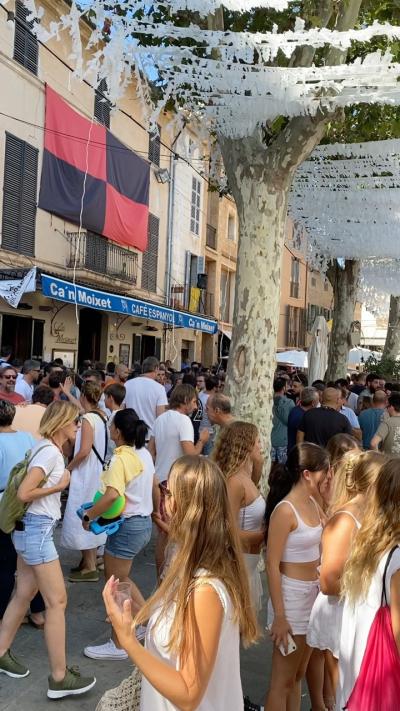
Views on the island’s degree of self-governance vary notably between Mallorca’s towns and rural areas. In places like Palma and Sóller, many locals express pride in the increased control over cultural and administrative affairs, seeing it as a chance to protect their Catalan heritage and local traditions such as the Festa de l’Ametler or the Nit de Foc. This autonomy is often linked to a stronger sense of identity, reflected in the continued celebration of events and preservation of language, cuisine, and crafts that are distinct to the Balearic Islands.
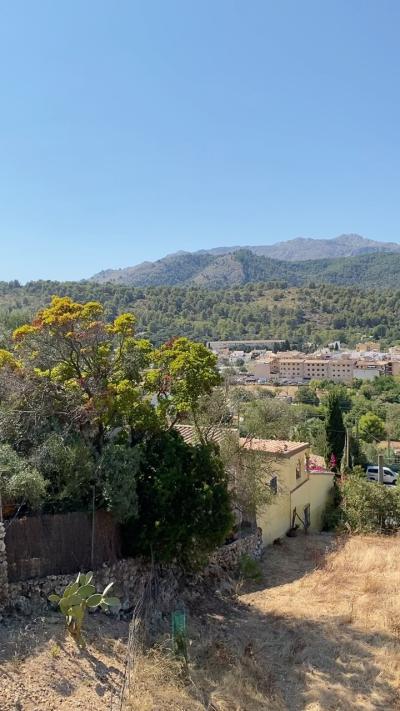
Conversely, some communities in more remote parts of the Serra de Tramuntana or smaller coastal villages like Cala Figuera voice concerns about the practical challenges. They worry that while local governments have gained independence, uneven economic development and resource allocation sometimes leave them at a disadvantage compared to more urbanized centers. Issues around healthcare, education, and sustainable tourism management are frequently debated, particularly considering the influx of visitors on routes like the Ma-13 and the strain on local infrastructure.
Residents generally recognize the benefits of having a greater say in decisions that shape their daily lives, from managing Binissalem wine production to supporting traditional foods like sobrassada or ensaimada. However, there remains a cautious awareness that autonomy requires careful balancing with collaboration at a national level to ensure consistent public services and economic stability across the island. Travelers encountering locals might notice a conversational openness about these complexities, which speaks to a community deeply engaged with its past and future alike.
Conversely, some communities in more remote parts of the Serra de Tramuntana or smaller coastal villages like Cala Figuera voice concerns about the practical challenges. They worry that while local governments have gained independence, uneven economic development and resource allocation sometimes leave them at a disadvantage compared to more urbanized centers. Issues around healthcare, education, and sustainable tourism management are frequently debated, particularly considering the influx of visitors on routes like the Ma-13 and the strain on local infrastructure.
Residents generally recognize the benefits of having a greater say in decisions that shape their daily lives, from managing Binissalem wine production to supporting traditional foods like sobrassada or ensaimada. However, there remains a cautious awareness that autonomy requires careful balancing with collaboration at a national level to ensure consistent public services and economic stability across the island. Travelers encountering locals might notice a conversational openness about these complexities, which speaks to a community deeply engaged with its past and future alike.
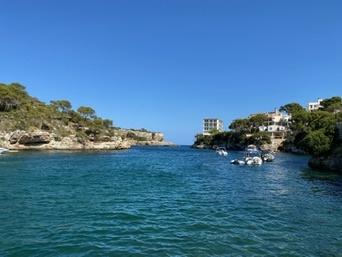
Cala Figuera
More Fotos