Are local festivals and cultural events on Mallorca open to tourists or mainly for residents?
Similar Topics
mallorca festivals
local cultural events
sant sebastia
tramuntana villages
pa amb oli
sorrer railway
binissalem wine
mallorca hospitality
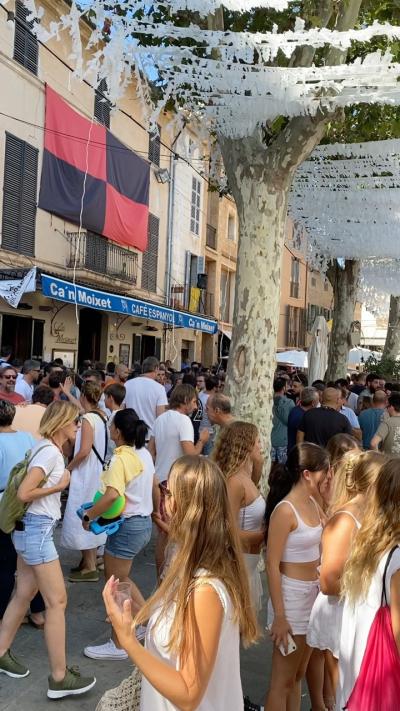
If you're curious about joining in Mallorca's local festivities or cultural experiences, you'll find that many events warmly include visitors eager to connect with the island's rich traditions. Celebrations such as the vibrant Sant Sebastià festival in Palma or the almond blossom parties like Festa de l'Ametler in the Tramuntana villages often invite tourists to share in the music, dancing, and communal spirit. These gatherings offer an authentic glimpse of the island’s heritage, where locals may happily welcome participation in traditional dances or tasting of regional delicacies like pa amb oli and sobrassada.
That said, some events or ceremonies retain a more intimate, community-focused atmosphere, especially in smaller towns like Valldemossa or Deia, where certain customs have been passed down through generations. Religious processions or smaller neighborhood celebrations might feel more reserved, and understanding local etiquette is important to show respect. Since schedules and access can vary, checking with your accommodation host or local tourist offices in Alcudia or Pollenca can be helpful. They often provide up-to-date info on workshops, performances, or guided visits that encourage visitor involvement without disrupting local life.
Many travelers who explore beyond Palma’s bustling streets to the scenic villages along the Ma-10 or hop aboard the historic Soller train find that engaging with locals at markets, beach bars near Cala Llombards, or vineyards around Binissalem often leads to spontaneous invitations to regional events. Overall, the island’s hospitality means that with a little curiosity and openness, joining in the cultural rhythms can transform your trip into a memorable and immersive experience.
That said, some events or ceremonies retain a more intimate, community-focused atmosphere, especially in smaller towns like Valldemossa or Deia, where certain customs have been passed down through generations. Religious processions or smaller neighborhood celebrations might feel more reserved, and understanding local etiquette is important to show respect. Since schedules and access can vary, checking with your accommodation host or local tourist offices in Alcudia or Pollenca can be helpful. They often provide up-to-date info on workshops, performances, or guided visits that encourage visitor involvement without disrupting local life.
Many travelers who explore beyond Palma’s bustling streets to the scenic villages along the Ma-10 or hop aboard the historic Soller train find that engaging with locals at markets, beach bars near Cala Llombards, or vineyards around Binissalem often leads to spontaneous invitations to regional events. Overall, the island’s hospitality means that with a little curiosity and openness, joining in the cultural rhythms can transform your trip into a memorable and immersive experience.

Cala Figuera
More Fotos