What traditional foods and drinks can I expect to find at Mallorca's local festivals?
Similar Topics
mallorca festivals
ensaimada pastry
sobrassada sausage
tumbet dish
binissalem wine
pa amb oli
hierbas liqueur
caldereta stew
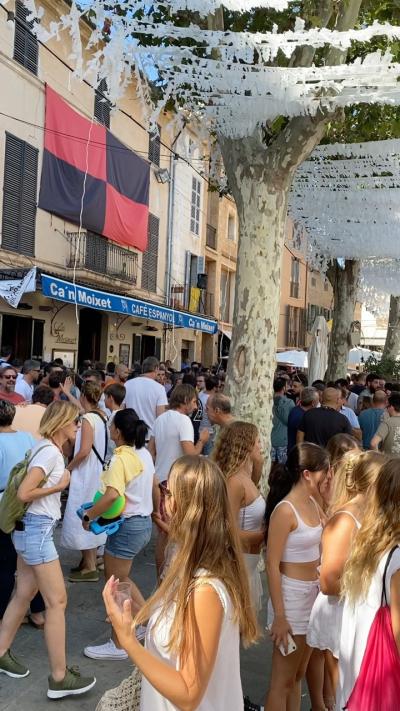
A subtle clue to Mallorca’s festive spirit lies in the aroma of freshly baked ensaimadas drifting through village streets during celebrations like Sant Sebastià or the Festa de l’Ametler. These light, spiral-shaped pastries are often enjoyed alongside a glass of local Binissalem wine or the herbal liqueurs Hierbas and Palo, which are staples at many gatherings. During these events, it’s common to find tables laden with dishes that echo centuries-old Balearic recipes, inviting both locals and visitors to savour the island’s culinary heritage.
In the north coast towns such as Pollença and Alcúdia, feasts often feature tumbet—a colourful vegetable casserole reminiscent of ratatouille, bursting with tomatoes, eggplant, and peppers, all drenched in Mallorcan olive oil. Sobrassada, a soft, spiced cured sausage unique to the region, is frequently served as a tapa or incorporated into hearty stews enjoyed after lively folk dances. Street vendors by the seafront in Palma or along the Ma-13 road may offer pa amb oli, a deceptively simple dish of rustic bread rubbed with ripe tomatoes and garlic, drizzled with local olive oil and topped with cheese or ham, perfect for nibbling while watching the crowds celebrate.
Seafood also plays a vital role during island festivities, especially near coastal towns like Cala Mondragó or Formentor, where freshly grilled fish or caldereta de llagosta (lobster stew) reflect Mallorca's maritime ties. It is not unusual to see communal tables spread with these dishes, fostering a sense of unity among feast-goers. Participating in these communal meals offers more than sustenance—it’s a chance to engage with the island’s rich traditions, passing down stories through shared flavors and conviviality.
In the north coast towns such as Pollença and Alcúdia, feasts often feature tumbet—a colourful vegetable casserole reminiscent of ratatouille, bursting with tomatoes, eggplant, and peppers, all drenched in Mallorcan olive oil. Sobrassada, a soft, spiced cured sausage unique to the region, is frequently served as a tapa or incorporated into hearty stews enjoyed after lively folk dances. Street vendors by the seafront in Palma or along the Ma-13 road may offer pa amb oli, a deceptively simple dish of rustic bread rubbed with ripe tomatoes and garlic, drizzled with local olive oil and topped with cheese or ham, perfect for nibbling while watching the crowds celebrate.
Seafood also plays a vital role during island festivities, especially near coastal towns like Cala Mondragó or Formentor, where freshly grilled fish or caldereta de llagosta (lobster stew) reflect Mallorca's maritime ties. It is not unusual to see communal tables spread with these dishes, fostering a sense of unity among feast-goers. Participating in these communal meals offers more than sustenance—it’s a chance to engage with the island’s rich traditions, passing down stories through shared flavors and conviviality.
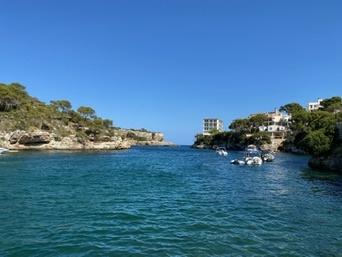
Cala Figuera
More Fotos