Are Mallorca’s main landmarks suitable for visitors with mobility impairments?
Similar Topics
mallorca accessibility
palma cathedral access
tib bus network
soller railway access
es trenc beach
tramuntana mobility
binissalem wineries
accessible tourism
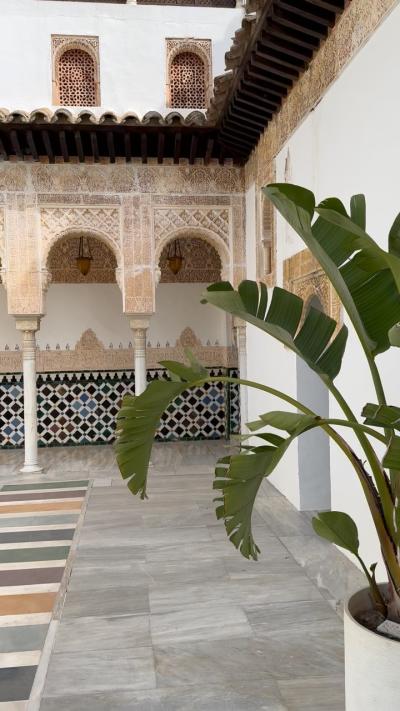
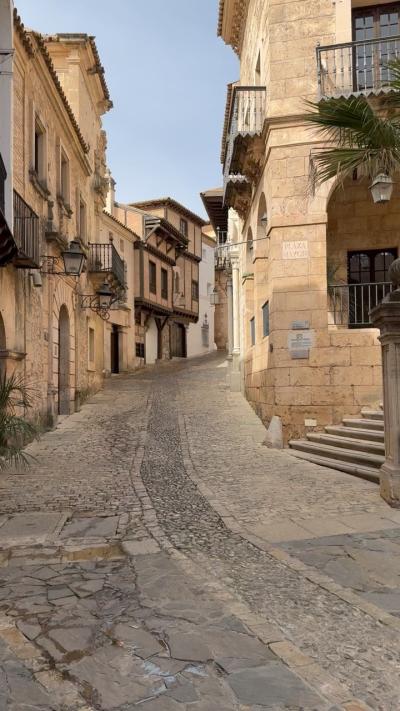
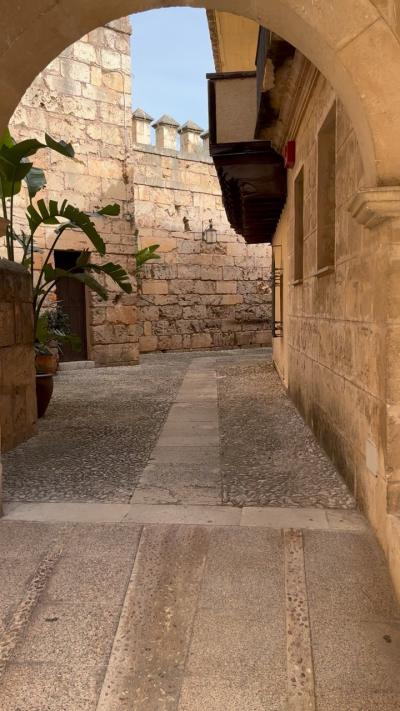
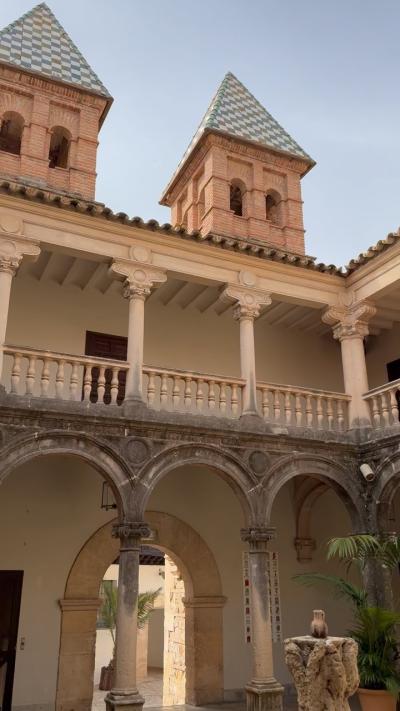
A small but telling detail is the presence of tactile paving and ramps in key areas around Palma’s historic center, signaling growing efforts to improve accessibility. Many well-known sites, such as the Palma Cathedral and Castell de Bellver, provide wheelchair-friendly access, including ramps and adapted restrooms. However, the island’s charming old towns like Valldemossa or Deià, with their narrow, cobbled streets, can be more challenging to navigate for visitors with mobility issues.
Public transport can be helpful—buses in the TIB network serving towns like Alcúdia, Pollença, and Manacor often have low-floor boarding to ease access. The historic Soller railway also offers limited facilities for wheelchair users but may require advance notice for assistance. Beaches such as Es Trenc have wooden walkways along the sand, and some offer adapted platforms to access the water, though wild coves like Cala Mondragó are less accessible.
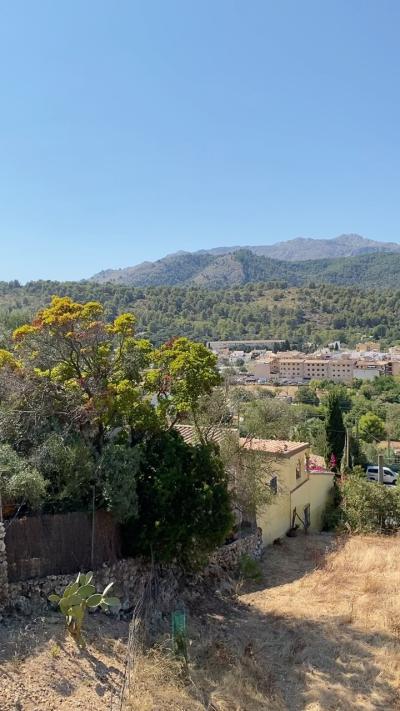
While some rural or mountainous landmarks in the Serra de Tramuntana are not fully equipped for all mobility needs due to steep terrain, several wineries in Binissalem and local restaurants serve typical dishes like tumbet or sobrassada in accessible settings. Planning ahead by contacting sites directly can reveal tailored guided tours for travelers needing extra support. With thoughtful preparation, exploring the diverse heritage and beauty here remains a welcoming experience for all visitors.
Public transport can be helpful—buses in the TIB network serving towns like Alcúdia, Pollença, and Manacor often have low-floor boarding to ease access. The historic Soller railway also offers limited facilities for wheelchair users but may require advance notice for assistance. Beaches such as Es Trenc have wooden walkways along the sand, and some offer adapted platforms to access the water, though wild coves like Cala Mondragó are less accessible.
While some rural or mountainous landmarks in the Serra de Tramuntana are not fully equipped for all mobility needs due to steep terrain, several wineries in Binissalem and local restaurants serve typical dishes like tumbet or sobrassada in accessible settings. Planning ahead by contacting sites directly can reveal tailored guided tours for travelers needing extra support. With thoughtful preparation, exploring the diverse heritage and beauty here remains a welcoming experience for all visitors.
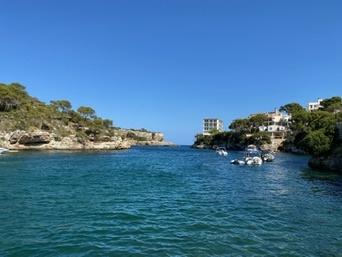
Cala Figuera
More Fotos