Are there family-friendly animal parks or wildlife centers to visit on the island?
Similar Topics
family animal parks
wildlife centers mallorca
s'albufera birdwatching
marine life mallorca
conservation education
mallorca farms visit
bird rescue centers
tramuntana wildlife
The island’s interaction with wildlife has traditionally centered around conservation and agricultural heritage rather than conventional zoos. While there isn't a large-scale zoo like in some mainland cities, families can enjoy more intimate and ecologically focused encounters with animals. Near Palma, Marine Life Mallorca offers close-up views of Mediterranean sea creatures, providing both education and hands-on experiences that children often find fascinating.
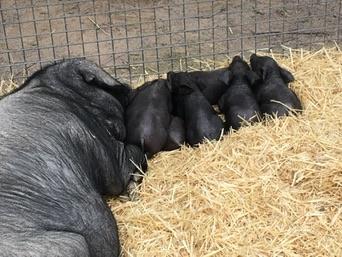
For those interested in local fauna, the S'Albufera Natural Park is a haven for birdwatchers of all ages, where families can spot flamingos, herons, and other wetland species along easy walking trails. Further afield, rural farms near villages like Pollença and Alcúdia sometimes welcome visitors to see traditional breeds of Mallorcan farm animals such as the native black pig, often raised for sobrassada.
The island also supports a few rescue and rehabilitation centers, focusing on birds of prey and other native species affected by habitat loss. These centers occasionally organize guided tours or educational workshops, especially around Palma and in the Tramuntana. Such visits offer a more personal and impactful experience, teaching children about the island’s biodiversity and conservation efforts beyond the typical zoo setting.
Ultimately, these nature parks and wildlife initiatives provide a wonderfully authentic way for families to engage with the island’s animal life amid its unique Mediterranean environment, blending education with the joy of discovery just a short journey from popular beach spots like Cala Mondragó and Es Trenc.
For those interested in local fauna, the S'Albufera Natural Park is a haven for birdwatchers of all ages, where families can spot flamingos, herons, and other wetland species along easy walking trails. Further afield, rural farms near villages like Pollença and Alcúdia sometimes welcome visitors to see traditional breeds of Mallorcan farm animals such as the native black pig, often raised for sobrassada.
The island also supports a few rescue and rehabilitation centers, focusing on birds of prey and other native species affected by habitat loss. These centers occasionally organize guided tours or educational workshops, especially around Palma and in the Tramuntana. Such visits offer a more personal and impactful experience, teaching children about the island’s biodiversity and conservation efforts beyond the typical zoo setting.
Ultimately, these nature parks and wildlife initiatives provide a wonderfully authentic way for families to engage with the island’s animal life amid its unique Mediterranean environment, blending education with the joy of discovery just a short journey from popular beach spots like Cala Mondragó and Es Trenc.
Felanitx
More Fotos


Related Questions
Related Question
Are there any guided tours that focus on the architecture of Cala Fornells?
Related Question
Are visitors allowed to take photos inside the Palma shoe museum, or are there specific rules?
Related Question
What additional services do four-star hotels on the island typically offer to justify their higher prices?