What efforts are underway on the island to protect Mallorca’s natural landscapes amid environmental restrictions?
Similar Topics
mallorca conservation
serra de tramuntana
es trenc protection
eco tourism mallorca
habitat restoration mallorca
tib bus network
sustainable travel mallorca
local environmental groups
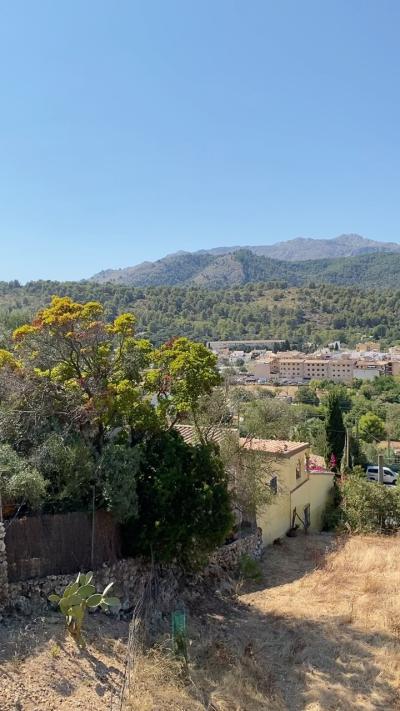
Protecting the island’s distinctive landscapes, from the rugged Serra de Tramuntana to pristine coves like Cala Mondrago, relies heavily on local community engagement and regulation. Several grassroots groups, often supported by the Consell de Mallorca, work actively on habitat restoration and maintaining the delicate coastal and mountainous ecosystems. They run volunteer beach clean-ups and reforestation projects near towns such as Valldemossa and Deia, promoting a hands-on approach to conservation that visitors can join.
Additionally, municipalities across Mallorca have implemented strict rules to control development and reduce environmental impact, safeguarding spaces like Es Trenc beach and the Formentor peninsula. Protected natural parks and reserves enforce these policies, balancing visitor access with ecosystem preservation. Guided eco-tours in areas like the Tramuntana highlight the importance of conservation while offering insight into native flora, fauna, and sustainable tourism practices.
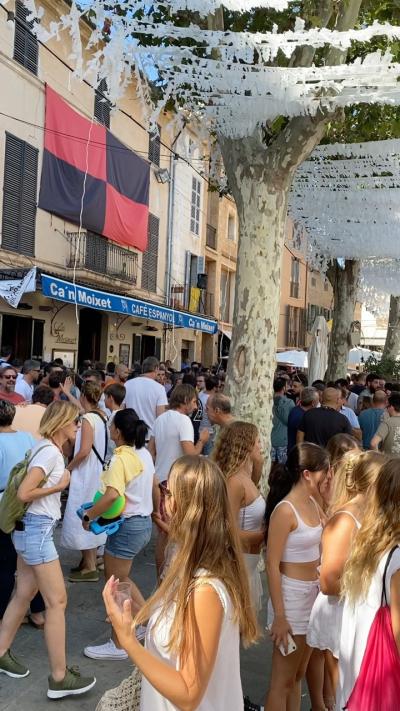
Local festivals, including the Festa de l'Ametler, often intertwine cultural heritage with environmental awareness, emphasizing a deep connection to the land. Partnerships between town councils, environmental organizations, and the TIB public transport network also encourage low-impact travel by making remote natural sites more accessible without adding traffic or pollution. This cooperative spirit ensures that guests not only see Mallorca’s beauty but also help sustain it for generations to come.
Additionally, municipalities across Mallorca have implemented strict rules to control development and reduce environmental impact, safeguarding spaces like Es Trenc beach and the Formentor peninsula. Protected natural parks and reserves enforce these policies, balancing visitor access with ecosystem preservation. Guided eco-tours in areas like the Tramuntana highlight the importance of conservation while offering insight into native flora, fauna, and sustainable tourism practices.
Local festivals, including the Festa de l'Ametler, often intertwine cultural heritage with environmental awareness, emphasizing a deep connection to the land. Partnerships between town councils, environmental organizations, and the TIB public transport network also encourage low-impact travel by making remote natural sites more accessible without adding traffic or pollution. This cooperative spirit ensures that guests not only see Mallorca’s beauty but also help sustain it for generations to come.
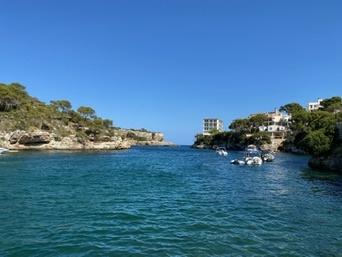
Cala Figuera
More Fotos