Are there workshops or classes on Mallorca where I can learn about local crafts and traditions?
Similar Topics
mallorca traditions
local crafts
pa amb oli
sobrassada making
traditional cooking
folk dance mallorca
binissalem wine
hierbas liqueur
Visitors often arrive thinking Mallorca is all about beaches and nightlife, but the island has a rich artisan heritage that’s thriving in towns like Valldemossa, Deià, and Manacor. Across these villages, you’ll find opportunities to take part in workshops that reveal traditional crafts such as pottery, basket weaving, and even the production of the island’s famous sobrassada sausage. Local artisans often open their studios to visitors, providing not just instruction but stories about the centuries-old techniques passed down through Mallorcan families.
In Palma and Soller, several cooking classes focus on dishes like pa amb oli, tumbet, and ensaïmada, gently guiding you to prepare and enjoy these staples with fresh local ingredients like olives, tomatoes, and Binissalem wine. These culinary experiences often include tastings of Hierbas and Palo liqueurs, giving a fuller sense of the island’s food culture. Meanwhile, cultural centers and folk groups sometimes offer classes in traditional Mallorcan dances linked to island festivals such as Sant Sebastià and Nit de Foc, where music and movement come to life.
Regardless of your skill level, the island’s workshops are welcoming and designed to offer hands-on immersion. Whether you want to master a craft, learn regional recipes, or connect with the rhythms of Mallorcan music and dance, these experiences enrich your visit far beyond the usual sights. Checking the TIB bus network or local tourist offices can help you discover what’s available during your stay, especially in towns along the Ma-13 and Ma-19 roads where many of these cultural hubs are located.
In Palma and Soller, several cooking classes focus on dishes like pa amb oli, tumbet, and ensaïmada, gently guiding you to prepare and enjoy these staples with fresh local ingredients like olives, tomatoes, and Binissalem wine. These culinary experiences often include tastings of Hierbas and Palo liqueurs, giving a fuller sense of the island’s food culture. Meanwhile, cultural centers and folk groups sometimes offer classes in traditional Mallorcan dances linked to island festivals such as Sant Sebastià and Nit de Foc, where music and movement come to life.
Regardless of your skill level, the island’s workshops are welcoming and designed to offer hands-on immersion. Whether you want to master a craft, learn regional recipes, or connect with the rhythms of Mallorcan music and dance, these experiences enrich your visit far beyond the usual sights. Checking the TIB bus network or local tourist offices can help you discover what’s available during your stay, especially in towns along the Ma-13 and Ma-19 roads where many of these cultural hubs are located.
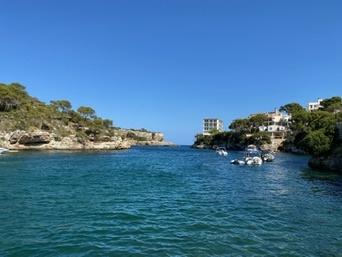
Cala Figuera
More Fotos