What should I know about cycling around Mallorca’s roads and towns?
Similar Topics
cycling mallorca
serra de tramuntana
ma-10 road
palma biking
tib buses bikes
mallorca bike safety
cyclist helmet advice
mallorca cycling routes
Cycling the Serra de Tramuntana offers both breathtaking views and some practical considerations to keep in mind. The Ma-10, the main road winding through this mountain range, can be narrow and winding, so cyclists need to stay alert and wear visible clothing, especially where the road hugs steep cliffs. Although helmets are not legally compulsory for adults, it’s advisable to wear one for safety on these challenging routes. In towns like Sóller and Valldemossa, watch for pedestrian zones and narrow streets where cycling might be restricted or require extra caution.
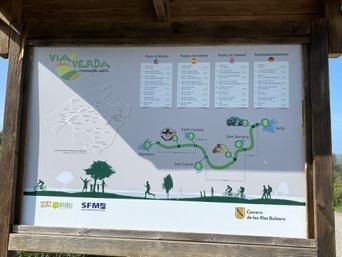
The island’s network of TIB buses generally doesn’t accommodate bikes except in certain models or routes, so plan transfers carefully if combining cycling with public transport. For a more relaxed ride, coastal routes toward Cala Mondragó or Es Trenc are less hectic and allow for scenic stops at beaches and coves. During the summer, protect yourself from strong sun exposure and stay hydrated, as midday temperatures can soar. If rain appears, especially in the cooler months near Port de Pollença, be mindful that the roads become slippery and drivers may have reduced visibility.
When cycling within Palma, the Palma metro and segregated bike lanes in some districts offer safer alternatives to the busier streets, but always signal clearly to pedestrians and vehicles. Local cyclists often recommend starting early to avoid midday heat and to enjoy quieter roads. Sampling traditional bistro fare like pa amb oli after a ride can be a great way to refuel, perhaps paired with a glass of Binissalem wine. Overall, understanding traffic norms and blending respect for drivers and pedestrians makes for an enjoyable and safe cycling experience here.
The island’s network of TIB buses generally doesn’t accommodate bikes except in certain models or routes, so plan transfers carefully if combining cycling with public transport. For a more relaxed ride, coastal routes toward Cala Mondragó or Es Trenc are less hectic and allow for scenic stops at beaches and coves. During the summer, protect yourself from strong sun exposure and stay hydrated, as midday temperatures can soar. If rain appears, especially in the cooler months near Port de Pollença, be mindful that the roads become slippery and drivers may have reduced visibility.
When cycling within Palma, the Palma metro and segregated bike lanes in some districts offer safer alternatives to the busier streets, but always signal clearly to pedestrians and vehicles. Local cyclists often recommend starting early to avoid midday heat and to enjoy quieter roads. Sampling traditional bistro fare like pa amb oli after a ride can be a great way to refuel, perhaps paired with a glass of Binissalem wine. Overall, understanding traffic norms and blending respect for drivers and pedestrians makes for an enjoyable and safe cycling experience here.
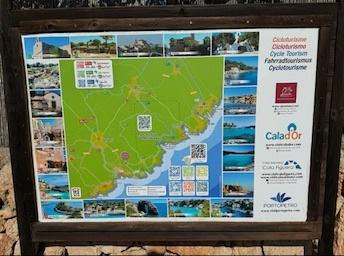
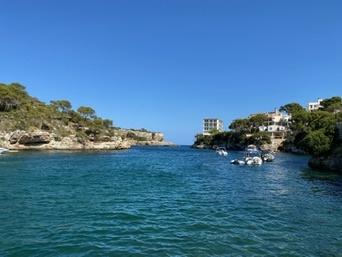
Cala Figuera
More Fotos