Are there specific regions in Mallorca that are known for their unique microclimates?
Similar Topics
Mallorca microclimates
Serra de Tramuntana
Llevant region Mallorca
Cala Millor
Cala Ratjada
Mallorca beaches
Mediterranean climate Mallorca
Mallorca agriculture
UNESCO World Heritage Mallorca
Mallorca travel tips
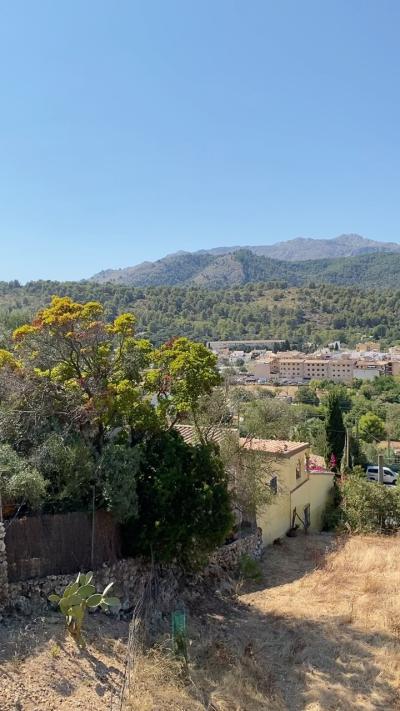
Mallorca, the largest of the Balearic Islands, boasts a variety of microclimates that contribute to its diverse natural beauty and agricultural richness. One of the most notable regions is the Serra de Tramuntana mountain range, which runs along the northwest coast. This area experiences a cooler, more humid climate compared to the rest of the island, thanks to its elevation and proximity to the sea. The unique conditions here support a range of flora that includes lush pine forests and terraced vineyards. Additionally, the Tramuntana region is a UNESCO World Heritage site, celebrated not just for its breathtaking landscapes but also for the traditional agricultural practices that thrive in its microclimate.
On the eastern side of the island, the region of Llevant experiences a different microclimate characterized by warmer temperatures and less rainfall. This area is known for its stunning beaches and rocky coastline, and it benefits from the dry, sunny weather that attracts many visitors. The towns of Cala Millor and Cala Ratjada are popular destinations here, where the climate is ideal for beach activities and outdoor exploration nearly year-round. The combination of sun and sea creates a vibrant atmosphere that enhances the local gastronomy, with seafood and fresh produce being highlights of the culinary scene.
In contrast, the central plains of Mallorca, particularly around the towns of Sineu and Algaida, have a more Mediterranean climate, with hot summers and mild winters. This region is often recognized for its agricultural output, particularly the cultivation of olives and almonds, which thrive in the warm, dry conditions. The local markets are a fantastic place to experience the flavors of the island, showcasing the bounty that this microclimate produces. Each of these regions offers its own distinct experience, making Mallorca a fascinating destination for travelers interested in both natural beauty and cultural richness.
On the eastern side of the island, the region of Llevant experiences a different microclimate characterized by warmer temperatures and less rainfall. This area is known for its stunning beaches and rocky coastline, and it benefits from the dry, sunny weather that attracts many visitors. The towns of Cala Millor and Cala Ratjada are popular destinations here, where the climate is ideal for beach activities and outdoor exploration nearly year-round. The combination of sun and sea creates a vibrant atmosphere that enhances the local gastronomy, with seafood and fresh produce being highlights of the culinary scene.
In contrast, the central plains of Mallorca, particularly around the towns of Sineu and Algaida, have a more Mediterranean climate, with hot summers and mild winters. This region is often recognized for its agricultural output, particularly the cultivation of olives and almonds, which thrive in the warm, dry conditions. The local markets are a fantastic place to experience the flavors of the island, showcasing the bounty that this microclimate produces. Each of these regions offers its own distinct experience, making Mallorca a fascinating destination for travelers interested in both natural beauty and cultural richness.

Cala Figuera
More Fotos