Are there public transport options on the island to help shorten hiking routes or long walks?
Similar Topics
public transport mallorca
tib buses
soller railway
palma metro
mallorca hiking
formentor transport
mallorca beaches
tramuntana trails
Locals often combine walking with public transport when heading to more remote beaches or villages. The island’s TIB bus network covers most towns and coastal spots, making it easy to cut a long hike short or start a walk partway along a scenic route. For example, on the north coast, buses connect Alcudia and Pollenca with the fingertip-shaped Formentor peninsula, allowing walkers to avoid the narrow Ma-2210 road by jumping on and off buses.
In the west, the historic Soller railway is an experience in itself, linking Palma to the mountain town of Soller through the Serra de Tramuntana. From Soller, you can continue exploring on foot or take a local bus onward to smaller villages like Deia or Valldemossa. The Palma metro supports urban travel for those beginning hikes from the city outskirts.
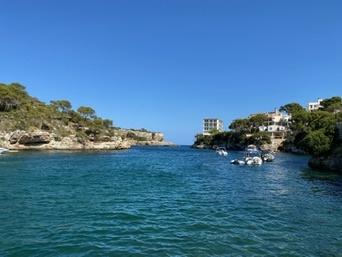
While most buses run less frequently on weekends and off-season, schedules are generally reliable and easy to check via the TIB website or apps. Payment has moved largely to contactless cards, but cash is still accepted on board. By blending transport and walking, visitors can sample Mallorca’s diverse landscapes—from sandy Es Trenc in the south to rocky coves like Cala Mondrago—without overexerting themselves. Locals will gladly offer route tips, and the well-marked trails and stops make combining bus travel and walking a smooth, flexible way to explore the island.
In the west, the historic Soller railway is an experience in itself, linking Palma to the mountain town of Soller through the Serra de Tramuntana. From Soller, you can continue exploring on foot or take a local bus onward to smaller villages like Deia or Valldemossa. The Palma metro supports urban travel for those beginning hikes from the city outskirts.
While most buses run less frequently on weekends and off-season, schedules are generally reliable and easy to check via the TIB website or apps. Payment has moved largely to contactless cards, but cash is still accepted on board. By blending transport and walking, visitors can sample Mallorca’s diverse landscapes—from sandy Es Trenc in the south to rocky coves like Cala Mondrago—without overexerting themselves. Locals will gladly offer route tips, and the well-marked trails and stops make combining bus travel and walking a smooth, flexible way to explore the island.
More Fotos