How do residents of Mallorca keep their folklore alive in daily life?
Similar Topics
mallorca folklore
serra de tramuntana
sant sebastia festival
sobrassada
ensaimada
nit de foc
pa amb oli
binissalem wine
Folklore remains a living thread in daily life across towns like Pollenca, Valldemossa, and Soller, especially visible during seasonal celebrations and local festivals. Events such as Sant Sebastià in Palma or the Festa de l'Ametler in villages around the Serra de Tramuntana bring communities together, where traditional stories, songs, and dances are shared, connecting generations through ancestral tales and customs. Around bonfires during the Nit de Foc festival, for example, locals retell legends that speak of the island’s mountainous landscapes and sea, imbuing the night with a timeless sense of place.
Craftsmanship is another outlet for preserving folklore. Artisans often incorporate motifs from Mallorcan myths and rural life into ceramics, textiles, and espadrilles. Visitors can explore workshops in towns like Deia or Manacor, where these crafts are not only souvenirs but embodiments of stories passed down through the centuries. Even street names or quaint plazas bear references to historical figures or folkloric characters, grounding modern life in the island’s rich narrative past.
Culinary traditions also echo folklore through dishes such as tumbet and pa amb oli, which carry names and recipes linked to agricultural cycles and island history. Sobrassada cured meat and local wines from Binissalem further celebrate regional identity rooted in land and legend. Whether tasting Hierbas liqueur or savoring an ensaïmada pastry, both locals and visitors engage with the island’s heritage one bite at a time. This seamless blend of storytelling, art, and cuisine ensures folklore is not just remembered, but experienced every day.
Craftsmanship is another outlet for preserving folklore. Artisans often incorporate motifs from Mallorcan myths and rural life into ceramics, textiles, and espadrilles. Visitors can explore workshops in towns like Deia or Manacor, where these crafts are not only souvenirs but embodiments of stories passed down through the centuries. Even street names or quaint plazas bear references to historical figures or folkloric characters, grounding modern life in the island’s rich narrative past.
Culinary traditions also echo folklore through dishes such as tumbet and pa amb oli, which carry names and recipes linked to agricultural cycles and island history. Sobrassada cured meat and local wines from Binissalem further celebrate regional identity rooted in land and legend. Whether tasting Hierbas liqueur or savoring an ensaïmada pastry, both locals and visitors engage with the island’s heritage one bite at a time. This seamless blend of storytelling, art, and cuisine ensures folklore is not just remembered, but experienced every day.
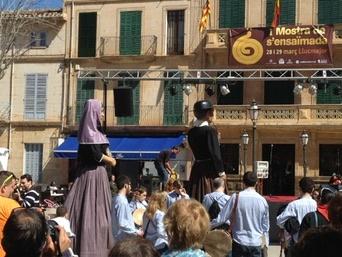
Llucmajor
More Fotos







Related Questions
Related Question
How do travelers rate the customer service at five-star hotels in Palma and other luxury resorts on the island?
Related Question
What are some popular destinations to visit by bike in Mallorca?
Related Question
What time do families typically dine out in Mallorca, and are there any late-night options?