What kind of markets existed in Mallorca during the Middle Ages?
Similar Topics
Mallorca markets
Middle Ages Mallorca
Medieval trade Mallorca
Palma markets
Mallorca commerce
cultural exchange Mallorca
historical markets Mallorca
artisan goods Mallorca
community life Mallorca
Mediterranean trade routes
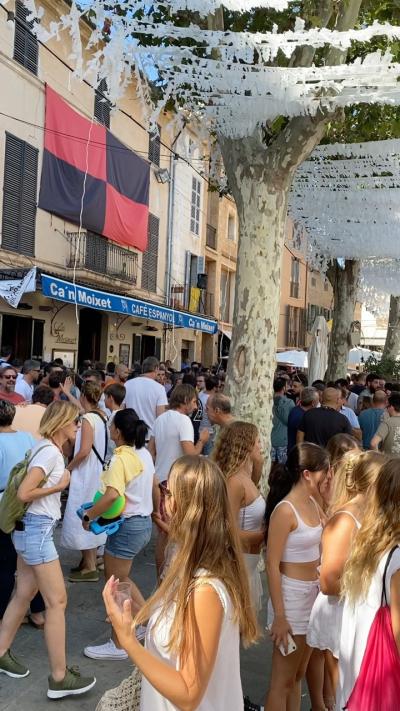
During the Middle Ages, Mallorca was a vibrant hub of trade and commerce, characterized by various markets that played a crucial role in the local economy and community life. The island's strategic location in the Mediterranean made it an important stop for merchants traveling between Europe and North Africa. Towns such as Palma, the capital, were bustling centers where goods from different cultures and regions converged. Markets were typically held in central squares, where local farmers and artisans would gather to sell their produce, textiles, pottery, and handcrafted goods. The atmosphere would be lively, filled with the sounds of haggling and the aroma of fresh food, creating a unique cultural tapestry.
One of the most significant markets was the weekly market, which not only provided a platform for buying and selling but also served as a social gathering point for the community. During these markets, one could find a variety of goods, from fresh fruits and vegetables to spices and meats, reflecting the diverse agricultural practices of the island. Additionally, the markets often featured imported goods, such as silk and ceramics, which showcased Mallorca's connections to broader trade networks. This exchange of products contributed to the island's economic vitality and cultural richness, as it facilitated interactions among different peoples.
The markets also played a vital role in the spread of ideas and customs. As merchants and travelers from distant lands came to trade, they brought with them not just goods but also new technologies, culinary traditions, and artistic influences that enriched Mallorcan culture. Over time, these markets evolved, but their essence as community hubs remained intact, laying the groundwork for the vibrant marketplaces that can still be found across Mallorca today. Exploring these historical sites offers visitors a glimpse into the island's medieval past and its enduring legacy of trade and cultural exchange.
One of the most significant markets was the weekly market, which not only provided a platform for buying and selling but also served as a social gathering point for the community. During these markets, one could find a variety of goods, from fresh fruits and vegetables to spices and meats, reflecting the diverse agricultural practices of the island. Additionally, the markets often featured imported goods, such as silk and ceramics, which showcased Mallorca's connections to broader trade networks. This exchange of products contributed to the island's economic vitality and cultural richness, as it facilitated interactions among different peoples.
The markets also played a vital role in the spread of ideas and customs. As merchants and travelers from distant lands came to trade, they brought with them not just goods but also new technologies, culinary traditions, and artistic influences that enriched Mallorcan culture. Over time, these markets evolved, but their essence as community hubs remained intact, laying the groundwork for the vibrant marketplaces that can still be found across Mallorca today. Exploring these historical sites offers visitors a glimpse into the island's medieval past and its enduring legacy of trade and cultural exchange.

Cala Figuera
More Fotos