How does the winemaking process differ in Mallorca compared to other regions?
Similar Topics
Mallorca winemaking
Manto Negro grape
Callet grape
Mediterranean climate
sustainable farming
organic vineyards
Mallorcan wines
wine tastings
family-run wineries
wine tours
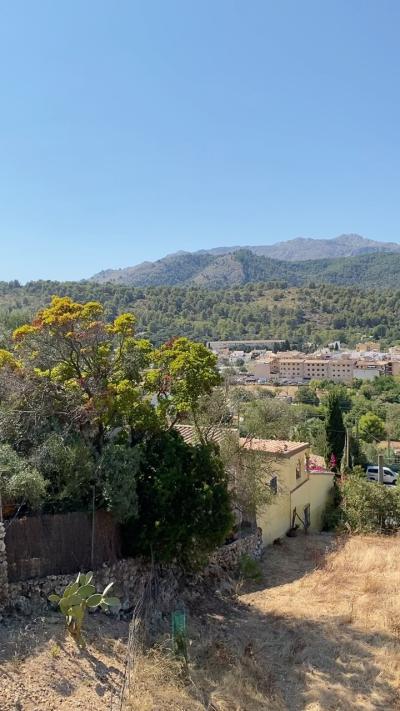
Mallorca's winemaking process is distinctively influenced by its unique climate, geography, and local grape varieties, setting it apart from other wine regions. The island enjoys a Mediterranean climate with mild, wet winters and hot, dry summers, which allows for a longer growing season. This climate is particularly favorable for cultivating indigenous grape varieties like Manto Negro and Callet, which thrive in the island's limestone-rich soils. These grapes often produce wines with a vibrant character and a distinct sense of place, showcasing the island's terroir in a way that is sometimes less pronounced in more traditional wine regions.
In contrast to the more established winemaking regions like Bordeaux or Tuscany, where the focus might be on traditional methods and well-known varietals, Mallorca's winemakers often embrace a blend of innovative techniques and age-old practices. Many vineyards on the island are smaller, family-run operations that prioritize organic and sustainable farming practices, reflecting a growing trend towards eco-conscious winemaking. Additionally, the use of local resources and a commitment to preserving the island's natural beauty can be seen in the way many producers craft their wines, often using minimal intervention in the cellar. This approach allows for a more expressive and authentic representation of the island’s diverse microclimates and unique grape varieties, making Mallorcan wines truly special and different from those found elsewhere.
As you explore Mallorca’s wine scene, you’ll find that many wineries offer tastings and tours, allowing visitors to not only sample the wines but also to connect with the land and the people behind the bottles. This personal touch, combined with the island's breathtaking landscapes, makes for a memorable experience that showcases the heart and soul of Mallorcan winemaking.
In contrast to the more established winemaking regions like Bordeaux or Tuscany, where the focus might be on traditional methods and well-known varietals, Mallorca's winemakers often embrace a blend of innovative techniques and age-old practices. Many vineyards on the island are smaller, family-run operations that prioritize organic and sustainable farming practices, reflecting a growing trend towards eco-conscious winemaking. Additionally, the use of local resources and a commitment to preserving the island's natural beauty can be seen in the way many producers craft their wines, often using minimal intervention in the cellar. This approach allows for a more expressive and authentic representation of the island’s diverse microclimates and unique grape varieties, making Mallorcan wines truly special and different from those found elsewhere.
As you explore Mallorca’s wine scene, you’ll find that many wineries offer tastings and tours, allowing visitors to not only sample the wines but also to connect with the land and the people behind the bottles. This personal touch, combined with the island's breathtaking landscapes, makes for a memorable experience that showcases the heart and soul of Mallorcan winemaking.

Cala Figuera
More Fotos