Where can I see remnants of the Arab influence on Mallorca?
Similar Topics
Mallorca Arab influence
Alcúdia old town
Moorish architecture Mallorca
La Seu Cathedral Palma
El Born Arab quarter
Banys Àrabs Mallorca
Mallorca agricultural techniques
Serra de Tramuntana
Mallorca travel
Mediterranean heritage
Mallorca, a beautiful Mediterranean island, still bears the traces of its rich Arab heritage, which profoundly influenced its culture, architecture, and landscape. One of the best places to explore this influence is in the charming town of Alcúdia. The old town, with its well-preserved medieval walls, showcases architecture that reflects Moorish styles. As you walk through the narrow, winding streets, you’ll notice the intricate designs and layouts that hark back to the period of Arab rule from the 9th to the 13th centuries. The remnants of the Arabic irrigation systems, known as "safareig," are also visible in the surrounding countryside, illustrating the advanced agricultural techniques introduced by the Moors.
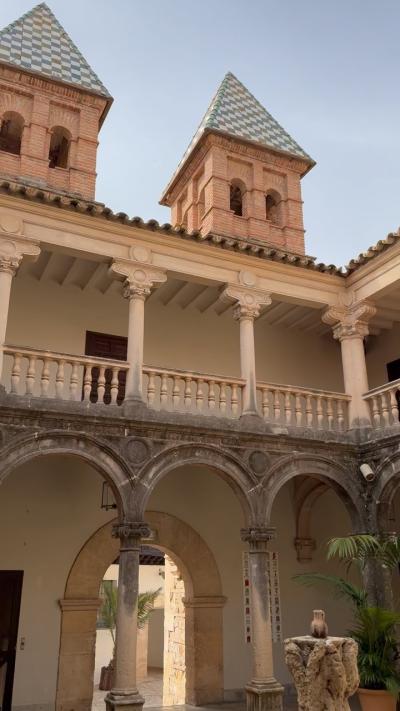
Another significant site is the capital, Palma. The stunning La Seu Cathedral, with its Gothic and Moorish elements, stands as a testament to the island’s history. While the cathedral itself was completed after the Arab period, the site was originally a mosque, and the influence of Islamic architecture can still be appreciated in its intricate details and majestic structure. Nearby, you can explore the old Arab quarter, known as "El Born," where you can find narrow streets and quaint plazas that evoke the island's past. The Arab baths, or "Banys Àrabs," located in Palma, are a small but fascinating glimpse into the daily lives of the Moorish inhabitants, featuring remnants of the original structure and beautifully designed arches.
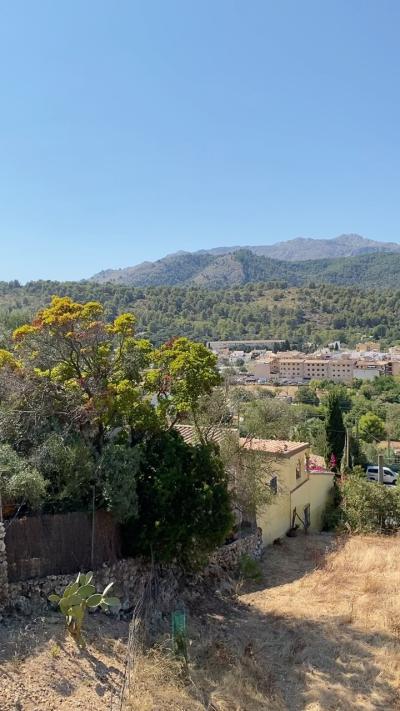
Additionally, the stunning landscapes of the island reflect the Arabs' agricultural practices, particularly in the regions of Sóller and the Serra de Tramuntana mountains. Here, terraced fields and olive groves showcase the agricultural techniques introduced during the Moorish period, and the use of water channels for irrigation remains evident. As you hike or drive through these areas, the beauty of the natural landscape combined with the historical context creates a rich tapestry of Mallorca's Arab influence, making any visit to these sites a truly enriching experience.
Another significant site is the capital, Palma. The stunning La Seu Cathedral, with its Gothic and Moorish elements, stands as a testament to the island’s history. While the cathedral itself was completed after the Arab period, the site was originally a mosque, and the influence of Islamic architecture can still be appreciated in its intricate details and majestic structure. Nearby, you can explore the old Arab quarter, known as "El Born," where you can find narrow streets and quaint plazas that evoke the island's past. The Arab baths, or "Banys Àrabs," located in Palma, are a small but fascinating glimpse into the daily lives of the Moorish inhabitants, featuring remnants of the original structure and beautifully designed arches.
Additionally, the stunning landscapes of the island reflect the Arabs' agricultural practices, particularly in the regions of Sóller and the Serra de Tramuntana mountains. Here, terraced fields and olive groves showcase the agricultural techniques introduced during the Moorish period, and the use of water channels for irrigation remains evident. As you hike or drive through these areas, the beauty of the natural landscape combined with the historical context creates a rich tapestry of Mallorca's Arab influence, making any visit to these sites a truly enriching experience.

Cala Figuera
More Fotos