How has the linguistic situation on Mallorca evolved since 1983?
Similar Topics
Mallorca language evolution
Catalan Mallorca
Mallorquí dialect
Mallorca tourism
Spanish in Mallorca
bilingual Mallorca
Mallorca cultural identity
Mallorca education
Mallorca young generations
multilingual Mallorca
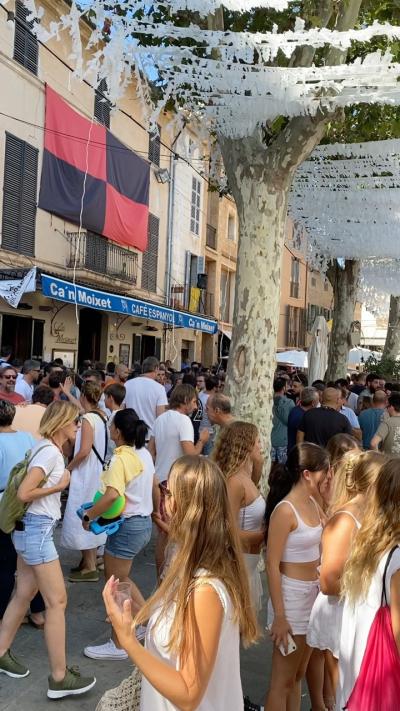
Since 1983, the linguistic landscape of Mallorca has undergone significant changes, reflecting both cultural shifts and the island's evolving identity. Historically, the primary language spoken on the island was Catalan, specifically the Mallorquí dialect. However, with the integration of Mallorca into the autonomous community of the Balearic Islands, the promotion of Catalan gained momentum. The regional government implemented policies that encouraged the use of Catalan in education, media, and public life, which led to a resurgence of interest in the language among the local population.
As tourism flourished over the decades, Spanish became increasingly prominent, especially in tourist areas where visitors from around the world congregated. This bilingual environment has fostered a unique blend of languages, as many locals are now proficient in both Catalan and Spanish. Additionally, English has seen a rise in usage, particularly in service industries that cater to the influx of international tourists. This multilingual atmosphere enriches the cultural experience for visitors, who can often hear a mix of languages being spoken in the streets, cafés, and markets.
The evolution of language on Mallorca has also been influenced by the island's younger generations, who are more likely to embrace a globalized identity while still valuing their local heritage. Schools now teach both Catalan and Spanish, and there has been a concerted effort to preserve the Mallorquí dialect through cultural programs and local literature. Overall, the linguistic situation on Mallorca is a vibrant tapestry, reflecting both the island's rich history and its contemporary connections to the wider world, making it an intriguing aspect of visiting this beautiful destination.
As tourism flourished over the decades, Spanish became increasingly prominent, especially in tourist areas where visitors from around the world congregated. This bilingual environment has fostered a unique blend of languages, as many locals are now proficient in both Catalan and Spanish. Additionally, English has seen a rise in usage, particularly in service industries that cater to the influx of international tourists. This multilingual atmosphere enriches the cultural experience for visitors, who can often hear a mix of languages being spoken in the streets, cafés, and markets.
The evolution of language on Mallorca has also been influenced by the island's younger generations, who are more likely to embrace a globalized identity while still valuing their local heritage. Schools now teach both Catalan and Spanish, and there has been a concerted effort to preserve the Mallorquí dialect through cultural programs and local literature. Overall, the linguistic situation on Mallorca is a vibrant tapestry, reflecting both the island's rich history and its contemporary connections to the wider world, making it an intriguing aspect of visiting this beautiful destination.

Cala Figuera
More Fotos