When is the best time to visit Mallorca’s secluded beaches like Cala Mondrago to avoid crowds?
Similar Topics
mallorca beaches
cala mondrago
es trenc
shoulder season
serra de tramuntana
tib bus
pa amb oli
ma-13 road
Waves gently lap at the golden sands of Cala Mondrago, while the scent of pine mingles with salty sea breezes. To enjoy quieter moments on the island’s most enchanting beaches like Cala Mondrago, Es Trenc, or Cala Llombards, aim for the shoulder seasons of late spring or early autumn. During these periods, the weather remains invitingly warm, perfect for swimming and sunbathing, yet the summer crowds have thinned considerably, offering a more peaceful atmosphere.
The island’s bustling peak months, especially July and August, see popular beaches near hotspots such as Palma and Alcudia crowded with holidaymakers, making it harder to find tranquility. Springtime unveils wildflowers along the Serra de Tramuntana trails and offers cooler, comfortable temperatures that encourage exploring inland villages like Valldemossa or Deia without the summer rush. In autumn, the fading warmth invites relaxed beach days, and local festivities such as the Festa de l’Ametler provide a more intimate cultural experience beyond the sun and sand.
Transportation is more manageable during these shoulder months; buses along the TIB network are less full, and driving the Ma-13 or Ma-19 roads to coastal spots is less hectic. Visitors can indulge in traditional Mallorcan dishes like pa amb oli or tumbet at quieter beachfront cafes. For those seeking the perfect balance of natural beauty and calm, these shoulder months are ideal to enjoy the island’s serene coves in a more authentic and contemplative way.
The island’s bustling peak months, especially July and August, see popular beaches near hotspots such as Palma and Alcudia crowded with holidaymakers, making it harder to find tranquility. Springtime unveils wildflowers along the Serra de Tramuntana trails and offers cooler, comfortable temperatures that encourage exploring inland villages like Valldemossa or Deia without the summer rush. In autumn, the fading warmth invites relaxed beach days, and local festivities such as the Festa de l’Ametler provide a more intimate cultural experience beyond the sun and sand.
Transportation is more manageable during these shoulder months; buses along the TIB network are less full, and driving the Ma-13 or Ma-19 roads to coastal spots is less hectic. Visitors can indulge in traditional Mallorcan dishes like pa amb oli or tumbet at quieter beachfront cafes. For those seeking the perfect balance of natural beauty and calm, these shoulder months are ideal to enjoy the island’s serene coves in a more authentic and contemplative way.
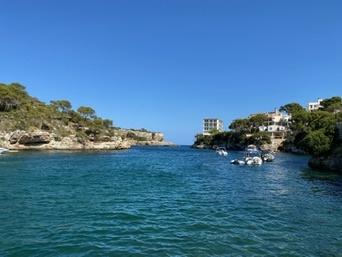
Cala Figuera
More Fotos