What can I learn about local Mallorcan customs and traditions by visiting a museum on the island?
Similar Topics
mallorca customs
mallorcan traditions
palma museums
traditional crafts
local festivals
hierbas liqueur
sant sebastia
nit de foc
A visit to one of the island’s museums offers a rich glimpse into the unique customs and traditions that have shaped its identity. Museums in Palma, for instance, often display collections of traditional Mallorcan clothing, ceramics, and tools, tracing the island’s rural and maritime heritage. Artefacts related to traditional agriculture and fishing illustrate how local livelihoods evolved over centuries along the coast and in mountain towns like Soller and Pollenca.
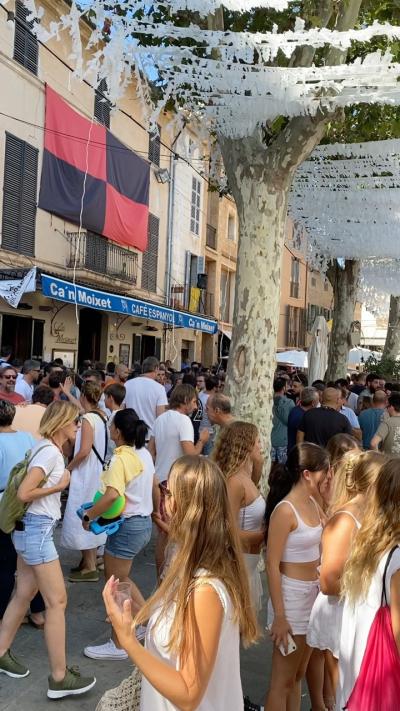
Beyond static exhibits, many museums and cultural centres bring Mallorcan traditions to life through live demonstrations and workshops. You might find artisans showing the craft of pottery or the weaving of esparto grass, ingredients for classic island dishes like tumbet being explained, or even tastings of Hierbas and Palo, two of the island’s distinctive herbal liqueurs. Events timed with festivals — such as Sant Sebastia in Palma or the Festa de l'Ametler in Valldemossa — often coincide with museum programs highlighting local music, dance, and folklore.
The passionate staff and local volunteers frequently share personal stories and lesser-known anecdotes that add depth to the formal exhibits. Discussions about the significance of traditions like the Nit de Foc festival or the making of sobrassada deepens your understanding of how deeply these customs remain embedded in everyday life. Exploring these curated narratives reveals the ongoing dialogue between Mallorca’s past and present, making a museum visit much more than just a look back—it becomes an encounter with living culture.
Beyond static exhibits, many museums and cultural centres bring Mallorcan traditions to life through live demonstrations and workshops. You might find artisans showing the craft of pottery or the weaving of esparto grass, ingredients for classic island dishes like tumbet being explained, or even tastings of Hierbas and Palo, two of the island’s distinctive herbal liqueurs. Events timed with festivals — such as Sant Sebastia in Palma or the Festa de l'Ametler in Valldemossa — often coincide with museum programs highlighting local music, dance, and folklore.
The passionate staff and local volunteers frequently share personal stories and lesser-known anecdotes that add depth to the formal exhibits. Discussions about the significance of traditions like the Nit de Foc festival or the making of sobrassada deepens your understanding of how deeply these customs remain embedded in everyday life. Exploring these curated narratives reveals the ongoing dialogue between Mallorca’s past and present, making a museum visit much more than just a look back—it becomes an encounter with living culture.

Cala Figuera
More Fotos