How is the tourism sector in Mallorca embracing sustainable energy and eco-friendly practices?
Similar Topics
mallorca tourism
sustainable energy
solar power hotels
tib bus network
soller railway
energy-efficient hotels
eco-friendly travel
local food support
Long reliant on its abundant sunshine, resorts and hotels across the island have increasingly installed solar panels to harness clean, renewable energy. This shift to solar, often combined with energy-saving measures like LED lighting and smart climate controls, helps reduce the carbon footprint of popular towns such as Palma, Alcudia, and Pollenca. Some accommodations have also adopted water-saving technologies, aligning with broader efforts to conserve Mallorca's precious natural resources. These investments not only curb emissions but can improve efficiency, occasionally translating to better value for visitors seeking sustainable stays.
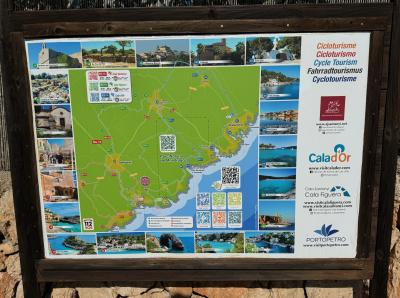
Public transportation options have followed suit. The TIB bus network, connecting key spots like Soller, Valldemossa, and the beaches near Cala Mondrago, is gradually incorporating low-emission vehicles, while encouraging tourists to explore via bus rather than rental car, especially along the sinuous Ma-10 and Ma-13 roads through the Serra de Tramuntana. The iconic heritage Soller railway offers a charming alternative that reduces road traffic, enhancing the island’s low-impact credentials. Promoting walking and cycling routes through scenic villages and nature reserves also reflects this ethos, inviting visitors to enjoy the landscape with minimal environmental impact.
Local tourism groups and festivals—whether celebrating the Festa de l'Ametler or the Nit de Foc in Palma—are increasingly embedding responsible tourism messages within their programs. Highlighting traditional Mallorcan crafts and cuisine, from sobrassada to Binissalem wines, helps support local producers and reduce dependency on imported goods. These combined efforts forge a path toward greener tourism that respects the island's heritage and natural beauty, ensuring its charm endures for future generations while offering environmentally conscious travellers authentic experiences.
Public transportation options have followed suit. The TIB bus network, connecting key spots like Soller, Valldemossa, and the beaches near Cala Mondrago, is gradually incorporating low-emission vehicles, while encouraging tourists to explore via bus rather than rental car, especially along the sinuous Ma-10 and Ma-13 roads through the Serra de Tramuntana. The iconic heritage Soller railway offers a charming alternative that reduces road traffic, enhancing the island’s low-impact credentials. Promoting walking and cycling routes through scenic villages and nature reserves also reflects this ethos, inviting visitors to enjoy the landscape with minimal environmental impact.
Local tourism groups and festivals—whether celebrating the Festa de l'Ametler or the Nit de Foc in Palma—are increasingly embedding responsible tourism messages within their programs. Highlighting traditional Mallorcan crafts and cuisine, from sobrassada to Binissalem wines, helps support local producers and reduce dependency on imported goods. These combined efforts forge a path toward greener tourism that respects the island's heritage and natural beauty, ensuring its charm endures for future generations while offering environmentally conscious travellers authentic experiences.
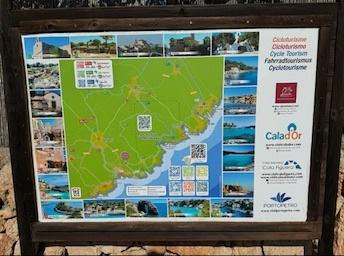
Cala Figuera
More Fotos





Related Questions
Related Question
Which historic landmarks in Mallorca are especially impressive when lit up at night?
Related Question
What is the history behind the founding of the Es Baluard Museu d’Art Modern i Contemporani in Palma?
Related Question
How can I find affordable flights to Palma during the best times of year?